

Signs of Methamphetamine Use Disorder
Methamphetamine use disorder is a medical condition diagnosed using DSM-5 criteria for stimulant use disorder. Because the drug is so potent and the half-life so long, patterns of use and the physical signs tend to be more pronounced than with cocaine. Common signs include:
- Binge-and-crash cycles. Extended periods (24 to 72 hours, sometimes longer) of continuous use without sleep, followed by a severe crash involving extreme fatigue, prolonged sleep of 12 to 24 hours or more, ravenous hunger, and low mood.
- "Meth mouth." Rapid, severe dental decay and gum disease caused by the combination of dry mouth, teeth grinding, poor hygiene during binges, high-sugar liquid consumption, and the corrosive effects of smoked meth. This dental pattern is one of the most visible and clinically distinctive physical signs of heavy methamphetamine use.
- Skin picking and sores. Persistent picking at the skin, often tied to the tactile hallucination of "crank bugs" — a sensation of insects crawling on or under the skin. This produces open sores and scars, most commonly on the face, arms, and chest.
- Extreme weight loss. The combination of appetite suppression, sleep deprivation, and metabolic effects typically causes rapid weight loss over weeks or months, often to a degree friends and family notice before the patient acknowledges it.
- Sleep deprivation binges. Staying awake for 48, 72, or even 96+ hours at a time. Sleep deprivation at this scale independently impairs cognition, mood, and reality testing, and it compounds the drug’s own effects.
- Paranoia and psychotic-range thinking. Intense suspicion, belief that you are being watched or followed, auditory hallucinations, and disorganized thinking during or after heavy use. Meth-induced psychosis can look clinically similar to schizophrenia in the moment, though it usually resolves with sustained abstinence.
- Hyperfocus on trivial tasks. Spending hours or even an entire night disassembling, sorting, cleaning, or repairing something that does not need doing. This is sometimes called "tweaking" and is a recognizable behavioral pattern during the tail end of a binge.
- Loss of control. Using more meth, or for longer, than intended. Repeated unsuccessful attempts to cut down or stop.
- Significant time obtaining, using, or recovering from methamphetamine — the "days lost" criterion from DSM-5 often shows up dramatically in meth use disorder because binges and crashes consume entire weeks.
- Cravings. Strong urges to use, especially during the crash phase and in the weeks after stopping.
- Interference with responsibilities. Work, family, and daily functioning increasingly affected — jobs lost, relationships strained, custody threatened.
- Continued use despite consequences. Severe health, legal, financial, or relationship consequences not leading to stopping.
- Cardiovascular strain. Elevated heart rate, high blood pressure, chest pain, and increased risk of heart attack and stroke — even in otherwise young and healthy users.
- Post-acute symptoms. Persistent low mood, difficulty feeling pleasure, and cognitive slowing that can last weeks to months after stopping.
If several of these apply — especially the binge-crash pattern, the physical signs, or the psychiatric symptoms — a professional evaluation can help clarify what is happening and what options exist. You do not need to meet every criterion to benefit from treatment, and you do not need to have hit a crisis point to reach out.
Methamphetamine Withdrawal: Timeline and Symptoms
Methamphetamine withdrawal is primarily psychological rather than physically dangerous in most otherwise healthy adults. There is typically no need for a medical detox in the way there would be for alcohol or benzodiazepines, and most patients can start outpatient treatment immediately, including before they have stopped using. The challenge with meth withdrawal is not acute medical risk — it is the unusually long, unusually severe post-acute phase, which is the single biggest reason patients relapse when they try to stop alone.
A general timeline for methamphetamine withdrawal looks like this:
- First 24 to 72 hours — the "crash." Extreme fatigue and prolonged sleep (often 12 to 24 hours or more at a stretch), dramatically increased appetite, vivid or disturbing dreams, irritability, low mood, and intense cravings. This phase is physically uncomfortable but not typically dangerous. For many patients it is the easy part.
- Day 3 to week 2. Persistent low mood, anhedonia (inability to feel pleasure from normally enjoyable things), irritability, difficulty concentrating, anxiety, and sometimes psychiatric symptoms including lingering paranoia or psychotic-range thinking. Sleep patterns remain disrupted. Cravings are still strong and are often triggered by familiar people, places, or situations.
- Week 2 to month 3 (post-acute withdrawal). Prolonged low mood, anhedonia, cognitive slowing, fatigue, sleep disruption, and intermittent strong cravings. This window is notably longer than post-acute withdrawal from most other substances and is the single biggest driver of relapse in unsupported patients. The brain’s dopamine system is slowly re-regulating during this time; the subjective experience is often "nothing feels good anymore."
- Beyond three months. Most patients experience a gradual return of normal mood, motivation, and cognition over 3 to 12 months of sustained abstinence. Residual cravings continue to diminish, but specific triggers (people, places, paraphernalia) can still produce strong urges for a year or more.
One clinical note that matters: meth-induced psychosis usually resolves with abstinence, typically within days to a couple of weeks. Paranoia and hallucinations brought on by heavy use generally lift as the drug clears and sleep normalizes. A minority of patients — usually those with very long heavy use histories or an underlying vulnerability to psychotic disorders — can have symptoms that persist longer or that recur. That is one reason the first appointment includes psychiatric assessment, and it is why the four-step intake process is built the way it is.
Because the withdrawal is psychological, treatment focuses on managing the emotional and behavioral symptoms through structured counseling and programming rather than medication. For patients with severe depression, active psychosis, or suicidal thoughts during early recovery, psychiatric medication management and coordination with higher-level care are part of the plan from day one.
How We Treat Methamphetamine Addiction
At Restoration Recovery, methamphetamine use disorder is treated through structured counseling, evidence-based behavioral programs, and coordinated medical and psychiatric care. There is no FDA-approved medication-assisted treatment for stimulant use disorder, so the foundation of care is behavioral — but the research base supporting these approaches is strong, and the outcomes for patients who stay engaged are significantly better than for those who attempt to stop alone. Our methamphetamine treatment components include:
- Individual counseling with licensed therapists who use evidence-based approaches specifically validated for stimulant use disorder. Cognitive-behavioral therapy (CBT) helps patients identify the thought patterns, emotional triggers, and behavioral habits that drive use and replace them with healthier coping strategies. Motivational interviewing helps patients work through ambivalence about change.
- The Matrix Model. A structured, manual-based outpatient treatment program developed specifically for stimulant use disorders and refined through decades of federally funded research — including some of the earliest large-scale trials for methamphetamine. It combines weekly individual counseling, group sessions focused on relapse prevention and early recovery skills, family education, urine drug testing, and peer support participation into a single integrated curriculum. Matrix Model concepts and materials are embedded in how we structure both individual counseling and our IOP curriculum.
- Contingency management. Structured, predictable incentives for documented drug-negative test results and treatment attendance. Contingency management has the strongest research support of any behavioral intervention for stimulant use disorder, and it is especially well-studied for methamphetamine specifically. The mechanism is straightforward: meth powerfully hijacks the brain’s reward system, so providing a competing predictable reward for abstinence helps patients sustain early sobriety long enough for the brain’s own recovery to take hold.
- Intensive outpatient programming (IOP) for patients who benefit from a more structured treatment schedule. IOP is delivered in a group format by design, with clinician-led sessions multiple times per week covering relapse prevention, coping skills, and recovery planning. Group sessions within IOP are where the long post-acute anhedonia window gets navigated — not alone at home.
- Certified peer support from specialists who have lived experience with recovery themselves. Peer support specialists provide ongoing accountability, practical help, and a living reminder that sustained recovery from methamphetamine is possible.
- Psychiatric medication management for co-occurring mental health conditions. Depression, anxiety, trauma-related conditions, ADHD, and post-acute mood symptoms are common in long-term methamphetamine use. Treating these conditions with appropriate psychiatric medication is part of a comprehensive plan and is often a critical piece of what keeps patients engaged during the long post-acute window.
- Coordination with higher-level care when it is clinically indicated — for example, for acute psychosis, severe suicidal ideation, or medical instability that outpatient treatment alone cannot safely address. We coordinate with regional psychiatric and residential partners.
Restoration Recovery is an outpatient clinic. We do not provide medical detox, residential care, or inpatient psychiatric care directly. Because methamphetamine withdrawal is primarily psychological, the vast majority of patients with meth use disorder can start outpatient treatment without a formal detox. For the subset of patients who need a higher level of care — active psychosis, severe suicidality, medical instability, or concurrent alcohol or benzodiazepine dependence that does require medical detox — we coordinate with regional partners and resume outpatient care when the patient is ready.
What to Expect at Your First Appointment
Your first visit typically lasts 60 to 120 minutes and follows a four-step clinical flow. Unlike an opioid intake, there is no COWS (Clinical Opiate Withdrawal Scale) score and there is no same-day prescription for a maintenance medication, because no such medication exists for stimulants. The structure is built around diagnosis, psychiatric evaluation, and building a realistic behavioral plan.
- Intake. You’ll complete paperwork and a clinical intake, including a DSM-5 assessment for stimulant use disorder covering the eleven diagnostic criteria and severity level (mild, moderate, or severe), plus a review of your medical history, current health, pattern of methamphetamine use, any concurrent substance use, and any co-occurring mental health conditions. We also screen for fentanyl exposure given how often the illicit meth supply is contaminated.
- Counseling. You’ll meet with a counselor to discuss your substance use history, prior treatment, personal recovery goals, and current support system. Because there is no FDA-approved MAT for stimulant use disorder, the counseling conversation is where the core of the treatment plan takes shape — what intensity of behavioral care fits your situation, whether IOP makes sense, how contingency management might be applied, and what support structures can carry you through the first several months.
- Doctor evaluation. A medical provider reviews your intake and counselor notes, performs a physical assessment, and conducts a careful evaluation for meth-induced psychiatric symptoms. This includes screening for paranoia, hallucinations, and disorganized thinking, differentiating meth-induced psychosis from underlying psychotic disorders, and assessing depression and suicidality during early abstinence. Cardiovascular status, dental status, and nutritional status are also part of the physical picture for long-term meth users.
- Treatment plan. You’ll leave with a personalized, written treatment plan that may include individual counseling, enrollment in our intensive outpatient program (IOP), contingency management, peer support, psychiatric medication for co-occurring conditions, and coordination with higher-level care if indicated. Your first follow-up is scheduled before you leave. Unlike an opioid intake, you will not leave with a maintenance medication prescription — no such medication exists for stimulants — but psychiatric medications for co-occurring conditions may be part of the plan.
Bring a valid photo ID, your insurance card if applicable, and a list of any medications you currently take. If you are in the middle of a binge or have not slept in several days, you can still come to the appointment — we will meet you where you are.
Why Behavioral Treatment Works for Methamphetamine
The absence of an FDA-approved medication for stimulant use disorder does not mean there is no effective treatment. It means the evidence base for meth treatment is built on behavioral science rather than pharmacology. That distinction matters, because it changes what "engagement" looks like — showing up to structured sessions, earning contingency management incentives, and staying in a program through the long post-acute window. The research behind each of these approaches is substantial:
- Cognitive-behavioral therapy (CBT) has more than three decades of randomized controlled trial evidence for stimulant use disorder. It works by teaching patients to recognize the chain of thoughts, feelings, and situations that lead to use, and to intervene in that chain before it ends at meth. CBT is effective as a standalone treatment and is enhanced when combined with contingency management or the Matrix Model.
- Contingency management is, by most measures, the single most effective behavioral intervention for stimulant use disorder. Multiple large federally funded trials — including NIDA’s Clinical Trials Network studies and the Veterans Health Administration’s nationwide contingency management rollout for methamphetamine — show dramatically higher rates of sustained abstinence among patients receiving structured incentives for drug-negative test results. The mechanism is mechanistic: meth hijacks the dopamine reward system; contingency management provides a competing, predictable reward for the behavior you want.
- The Matrix Model has been tested across dozens of clinical trials, including large methamphetamine-specific studies funded by SAMHSA in the 1990s and 2000s. Patients in Matrix Model programs are significantly more likely to complete treatment, produce drug-negative urine, and maintain abstinence at follow-up than those receiving treatment as usual.
- Intensive outpatient programming produces outcomes comparable to residential treatment for most patients with stimulant use disorder, at a fraction of the disruption to work, family, and housing — which is often the difference between a plan that a patient can sustain and one they cannot.
- Peer recovery support is associated with higher rates of treatment engagement and longer periods of abstinence in patients with stimulant use disorder.
- Treating co-occurring psychiatric conditions — depression, anxiety, trauma-related disorders, ADHD — improves both mental health outcomes and substance use outcomes. Untreated depression during the long post-acute window is one of the most common drivers of relapse; appropriate psychiatric medication often stabilizes the window.
Stimulant use disorder is a medical condition that responds to treatment — sometimes gradually, sometimes with setbacks along the way. Recovery from methamphetamine is realistic, and the combination of CBT, the Matrix Model, contingency management, IOP, and peer support has more than four decades of research support behind it. The barrier to outcomes is almost never the treatments not working; it is patients not being able to stay engaged long enough for the treatments to work. That is what our team is set up to address.
Why Restoration Recovery
Choosing where to start treatment matters. Restoration Recovery brings together the clinical depth, the practical access, and the kind of care that keeps patients in treatment long enough to get well.
- Chattanooga’s longest-running outpatient addiction treatment clinic. Our providers have decades of clinical experience treating opioid, alcohol, and stimulant use disorders in Southeast Tennessee — including the rural counties where methamphetamine has been the dominant substance for more than a decade.
- CARF accredited. The Commission on Accreditation of Rehabilitation Facilities is the gold standard for outpatient addiction care — our accreditation is reviewed on an ongoing basis, not a one-time stamp.
- Integrated IOP with Matrix Model elements. Our intensive outpatient program embeds structured curriculum from the most research-supported behavioral model for stimulant addiction, delivered in a group format by design multiple times per week.
- Psychiatric care under one roof. Because co-occurring depression, anxiety, and residual psychiatric symptoms drive so many meth relapses, having medical and psychiatric medication management integrated into the same visit structure — not a parallel referral — is part of what keeps patients engaged.
- Four clinic locations across Southeast Tennessee and North Georgia, with telehealth follow-up available for established patients. The geography matters because meth treatment gaps are concentrated in rural counties, and our Cleveland, Soddy-Daisy, and Ringgold clinics sit specifically in those gaps.
- Most major insurance accepted — TennCare, Georgia Medicaid, commercial plans, Medicare, and supplemental Medicare. Our patient services team verifies your benefits before your first visit so there are no surprises.
- Same-day appointments in most cases. You don’t have to wait weeks to start.
- One integrated team. Medical providers, counselors, certified peer support specialists, and psychiatric care under one roof — not parallel referral tracks that leave you coordinating your own care during the worst window of your life to try to coordinate anything.
- Licensed in both states. Licensed in Tennessee and Georgia, HIPAA compliant, 42 CFR Part 2 compliant — your treatment is confidential from the first phone call.
Insurance and Access
Restoration Recovery accepts most major insurance plans, including TennCare, Georgia Medicaid, a broad range of commercial plans, and Medicare (plus supplemental Medicare plans). Our patient services team can verify your benefits before your first appointment so you know exactly what to expect in terms of cost. Behavioral treatment for stimulant use disorder — counseling, IOP, psychiatric medication management — is covered by most plans we accept.
If you do not have insurance, contact us anyway. We can help you explore options, including TennCare eligibility screening for patients who may qualify, and we will walk you through self-pay pricing. For a full list of accepted carriers and details on the verification process, visit our insurance page.
Four Clinic Locations
We operate four outpatient clinics across Southeast Tennessee and North Georgia. All locations offer methamphetamine addiction treatment with same-day appointments in most cases:
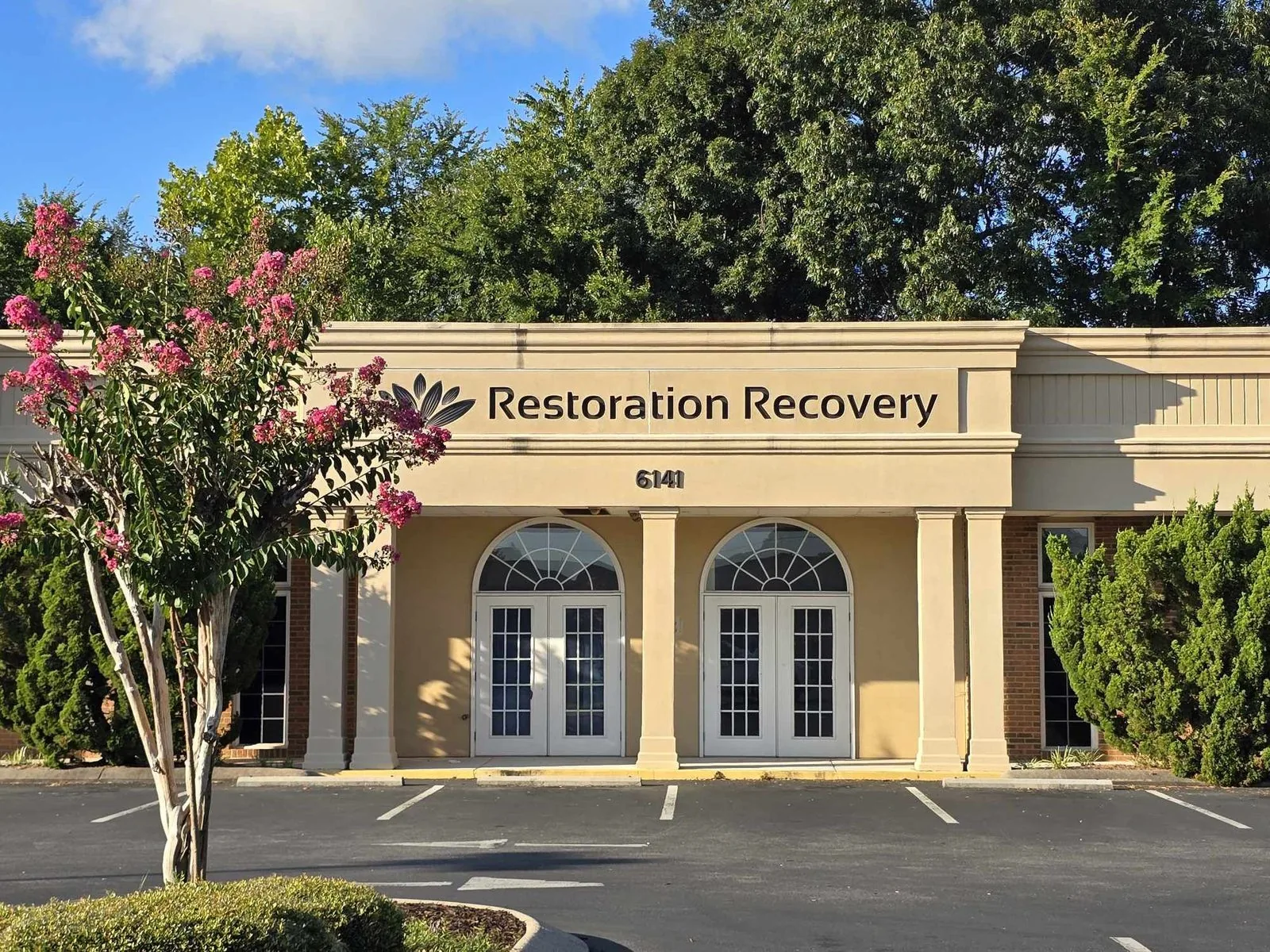
- Chattanooga, TN — 6141 Shallowford Rd, Suite 100, Chattanooga, TN 37421
- Cleveland, TN — Serving Bradley County and surrounding rural communities where methamphetamine is the dominant stimulant
- Soddy-Daisy, TN — Serving Hamilton County north and the Sequatchie Valley
- Ringgold, GA — Serving Catoosa County and Northwest Georgia
Telehealth follow-up visits are available for established patients who have completed their initial in-person evaluation. For directions, hours, and contact information, visit our locations page.