Restoration Recovery outpatient addiction treatment logo
Chattanooga, TN · Hamilton County

Chattanooga Addiction Treatment

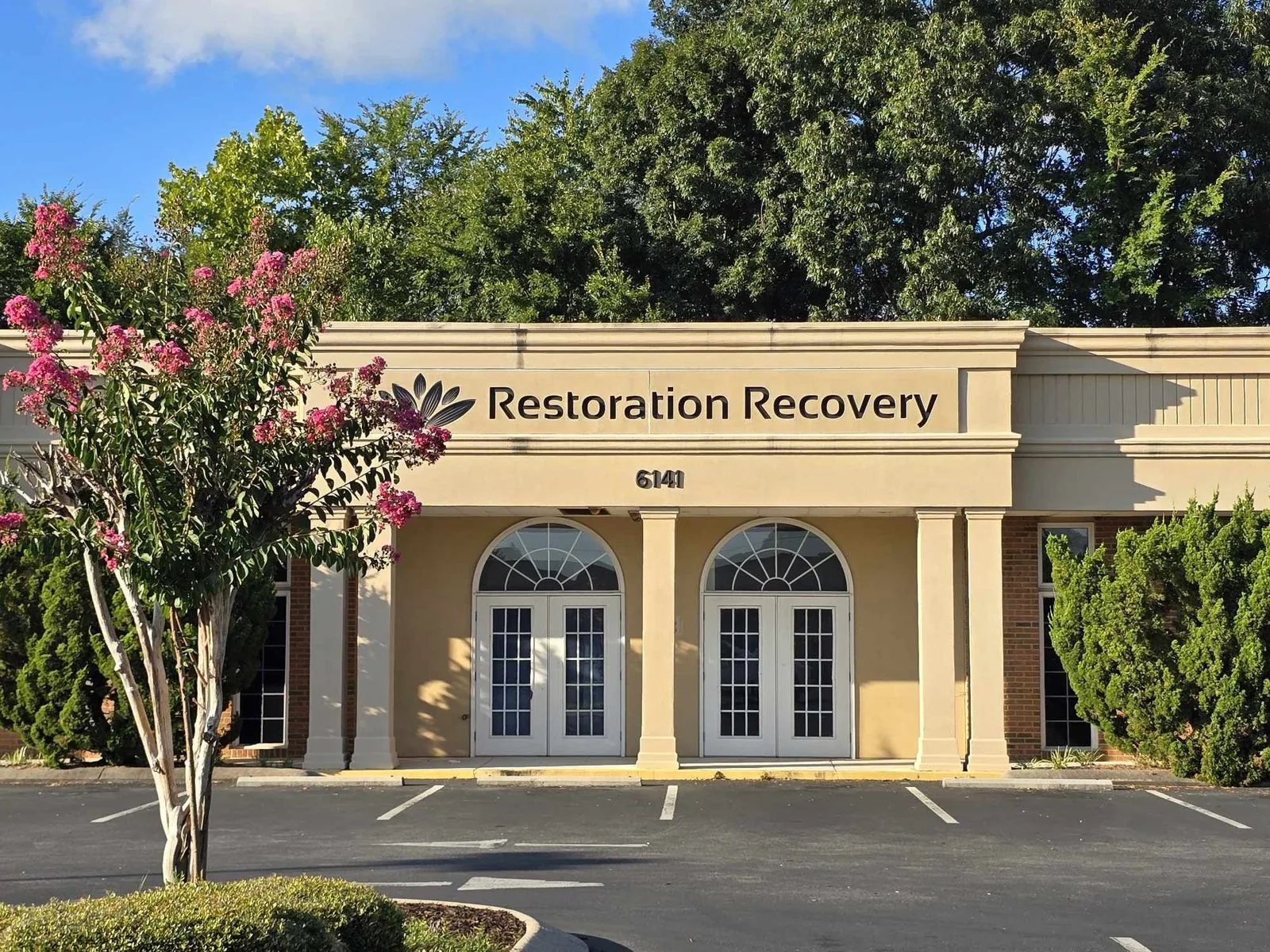
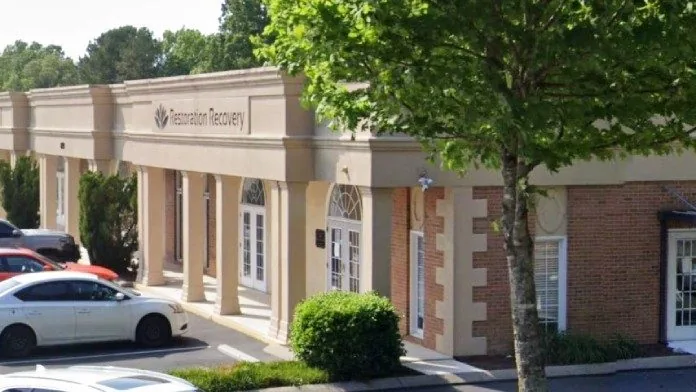
Restoration Recovery runs outpatient addiction treatment in Chattanooga for alcohol, opioid, and polysubstance dependence — Suboxone, Sublocade, Brixadi, Vivitrol, Acamprosate, IOP, individual and group counseling, behavioral health, and integrated hepatitis C care. Our flagship clinic is at 6141 Shallowford Road, five days a week, with same-week appointments and most TennCare and commercial insurance accepted.

CARF CARF Accredited Accepting New Patients Same-Week Appointments Most Insurance Accepted Telehealth Available
The Chattanooga picture

What addiction and recovery look like in Hamilton County right now

Chattanooga is the urban center of Hamilton County and the starting point for most of the region's addiction recovery. Outpatient medication-assisted treatment is where most patients begin and where most of them stay — it's the largest and most-evidence-backed lane of addiction care in the country, and it's what Restoration Recovery has been built around. Hamilton County is also one of only two counties in Tennessee running medication-assisted treatment inside the corrections system, and the data coming out of the county is some of the most encouraging in the state.

Fatal overdoses in Hamilton County have dropped 38% over two years. EMS naloxone administrations are down 34% over the same window. Suspected overdose-related ER visits fell from 1,003 in 2023 to 797 in 2025 — a 21% decrease. The combined Hamilton Counted report from the County Medical Examiner and Hamilton County EMS makes the trendline clear: whatever Chattanooga is doing, it's working.

What those numbers don't show is the demand still under the surface. Fewer fatal overdoses doesn't mean fewer people with substance use disorder — it means more of them are surviving long enough to reach for treatment. The conversations our intake team has most weeks involve patients who were revived with Narcan months ago and have been thinking about coming in ever since, patients whose prescribing doctor just retired and left them without refills, patients who quit cold turkey and relapsed inside a week, and patients who've watched a family member die and don't want to be next. That's the Chattanooga picture today: a county decisively winning the overdose fight, and a population of people still quietly making the decision to come in.

Hamilton County fatal overdoses

First half of year, 2023 – 2025

105 H1 2023
81 H1 2024
66 H1 2025 ↓ 38% vs 2023

Source: Hamilton County Medical Examiner's Office, Hamilton Counted report.

EMS naloxone administrations

Hamilton County first half, 2023 – 2025

539 H1 2023
395 H1 2024
356 H1 2025 ↓ 34% vs 2023

Source: Hamilton County EMS, Hamilton Counted Naloxone Report.

Three forces driving the decline

The trend isn't the result of a single intervention — it's three things working at once.

Naloxone is everywhere. Tennessee's ROPS program distributed more than 854,000 naloxone units statewide between October 2017 and June 2024, with 103,000 documented lives saved. In Chattanooga, Narcan is in patrol cars, in first-responder kits, in schools, and increasingly in private homes. The 34% drop in EMS administrations partly reflects more calls being resolved before EMS arrives.

The street fentanyl supply is shifting. CDC's NCHS 2026 Data Brief No. 549 shows synthetic-opioid-involved deaths fell 35.6% nationally in 2024 vs 2023 — the first year-over-year decrease since synthetic opioids became the dominant cause of overdose death. The reasons are debated (supply interdiction, adulterant shifts like xylazine replacement, behavior change), but the direction is unambiguous.

More people are starting MAT. Buprenorphine prescriptions are up across East Tennessee, the Hamilton County jail-based MAT pilot has reduced re-incarceration rates, and outpatient clinics like ours are seeing more first-visit patients than a year ago. Treatment isn't the only reason overdoses are falling, but it's measurably part of it.

What's still missing from the numbers: the people not yet in treatment but thinking about it. If that's you, the practical path is straightforward. Keep reading.

Main Location

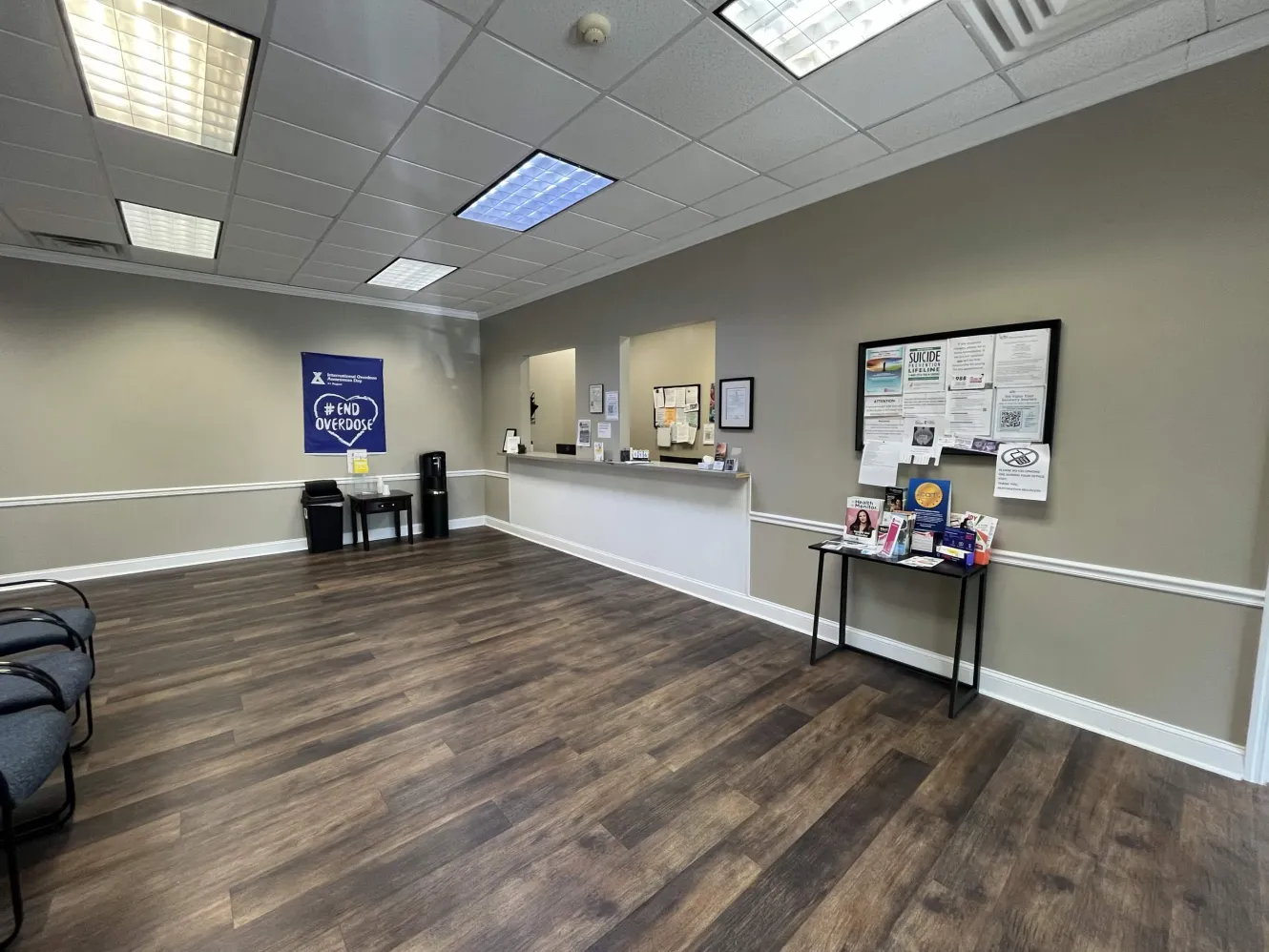
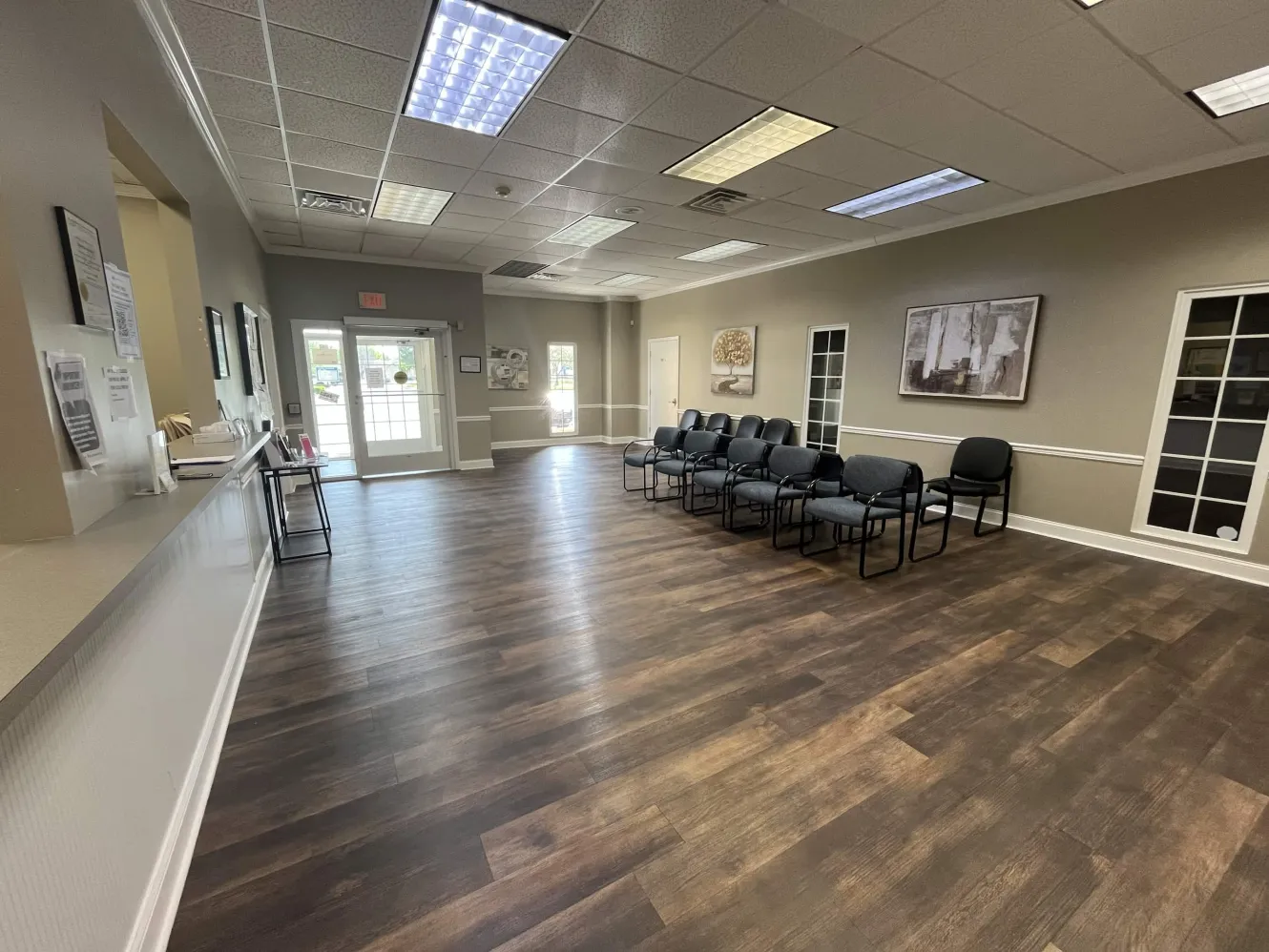
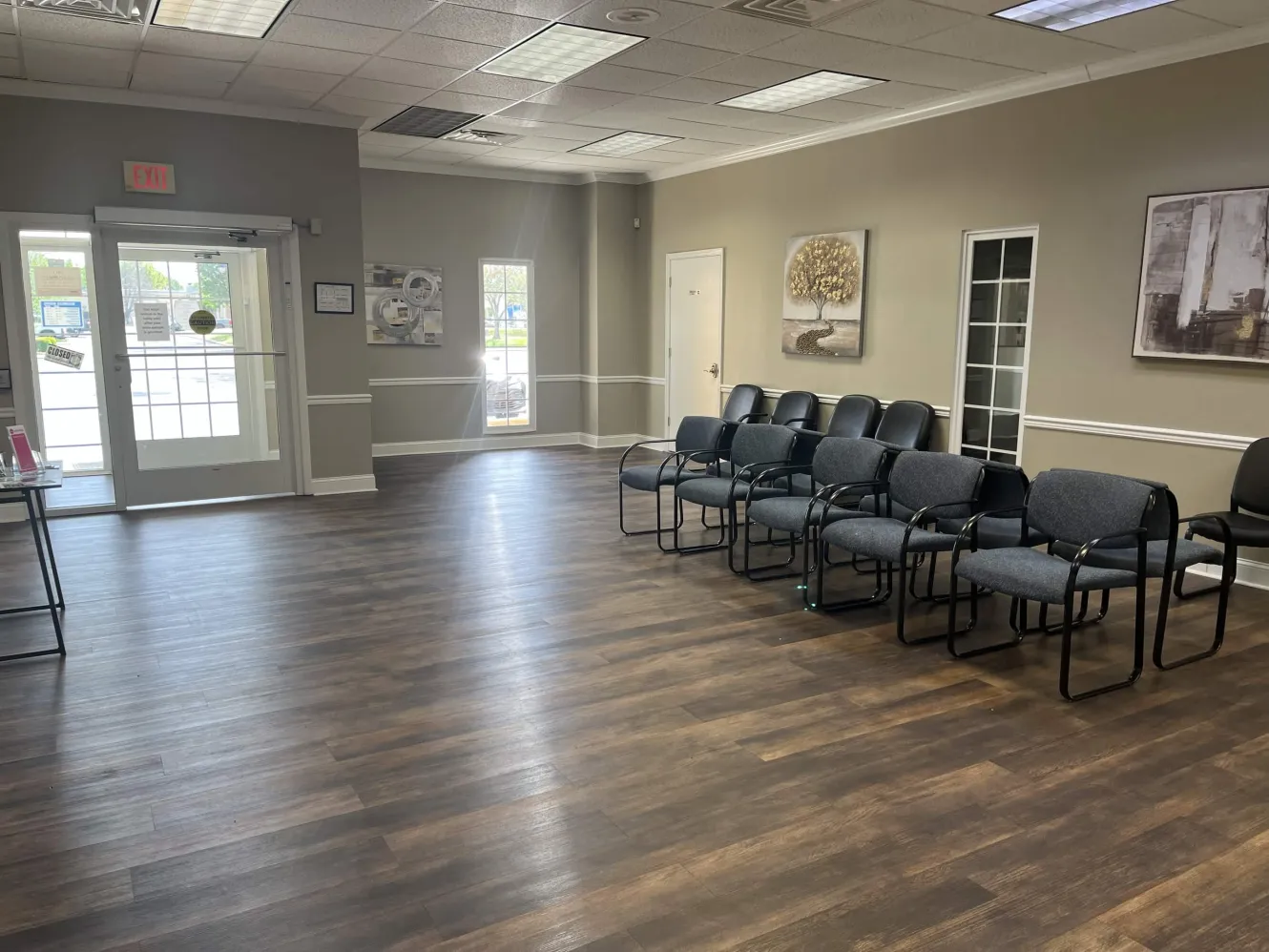
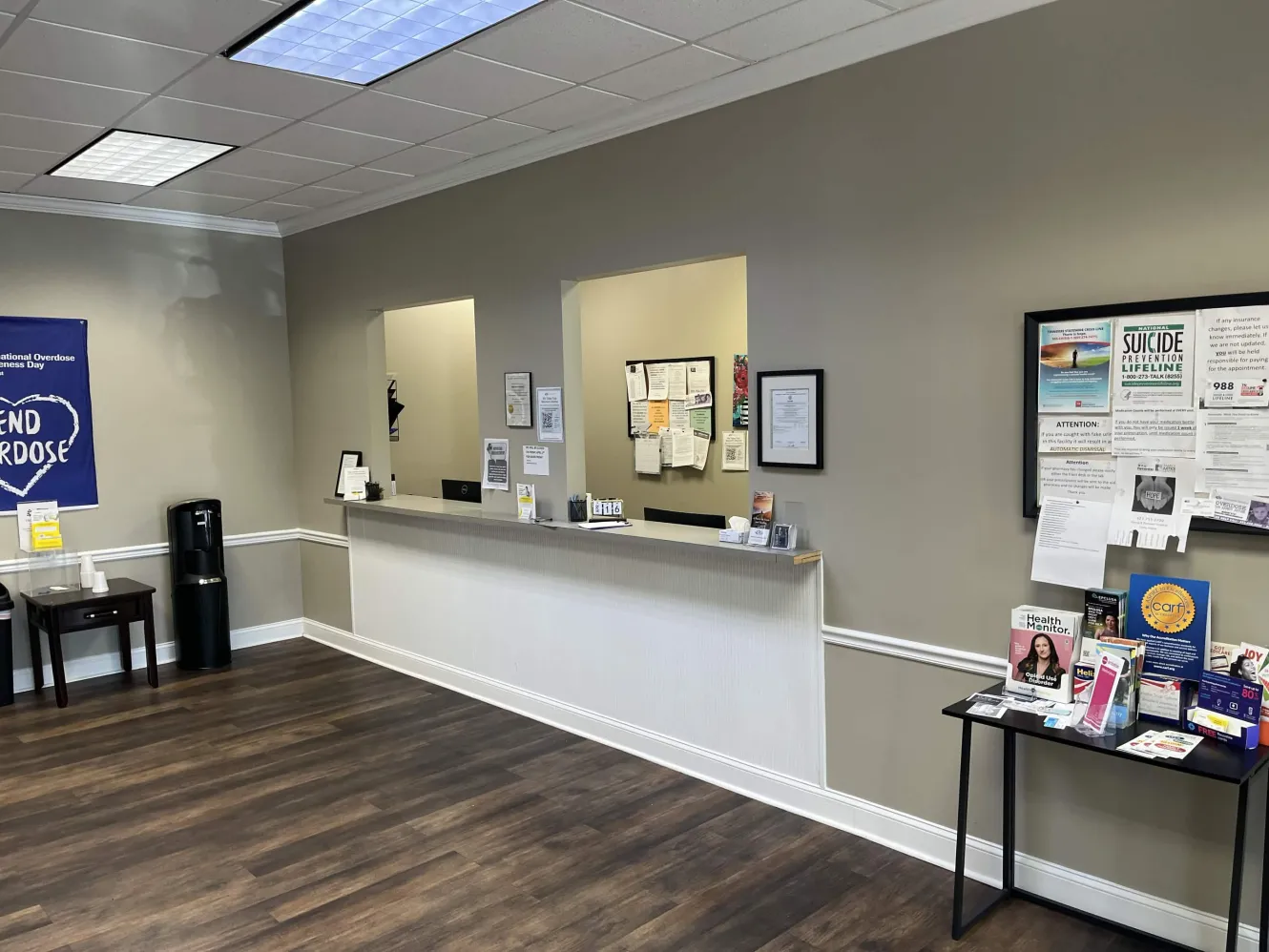
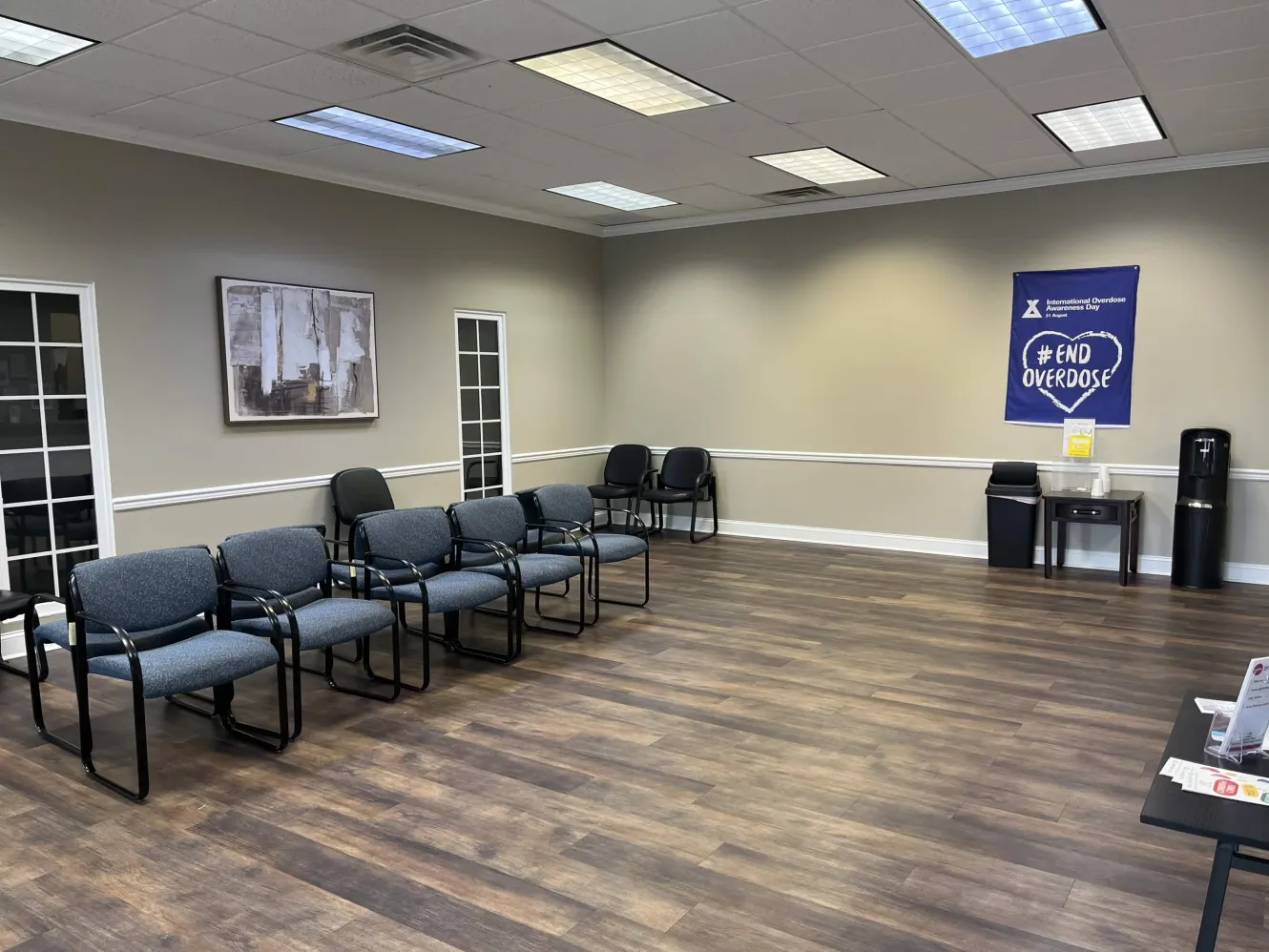
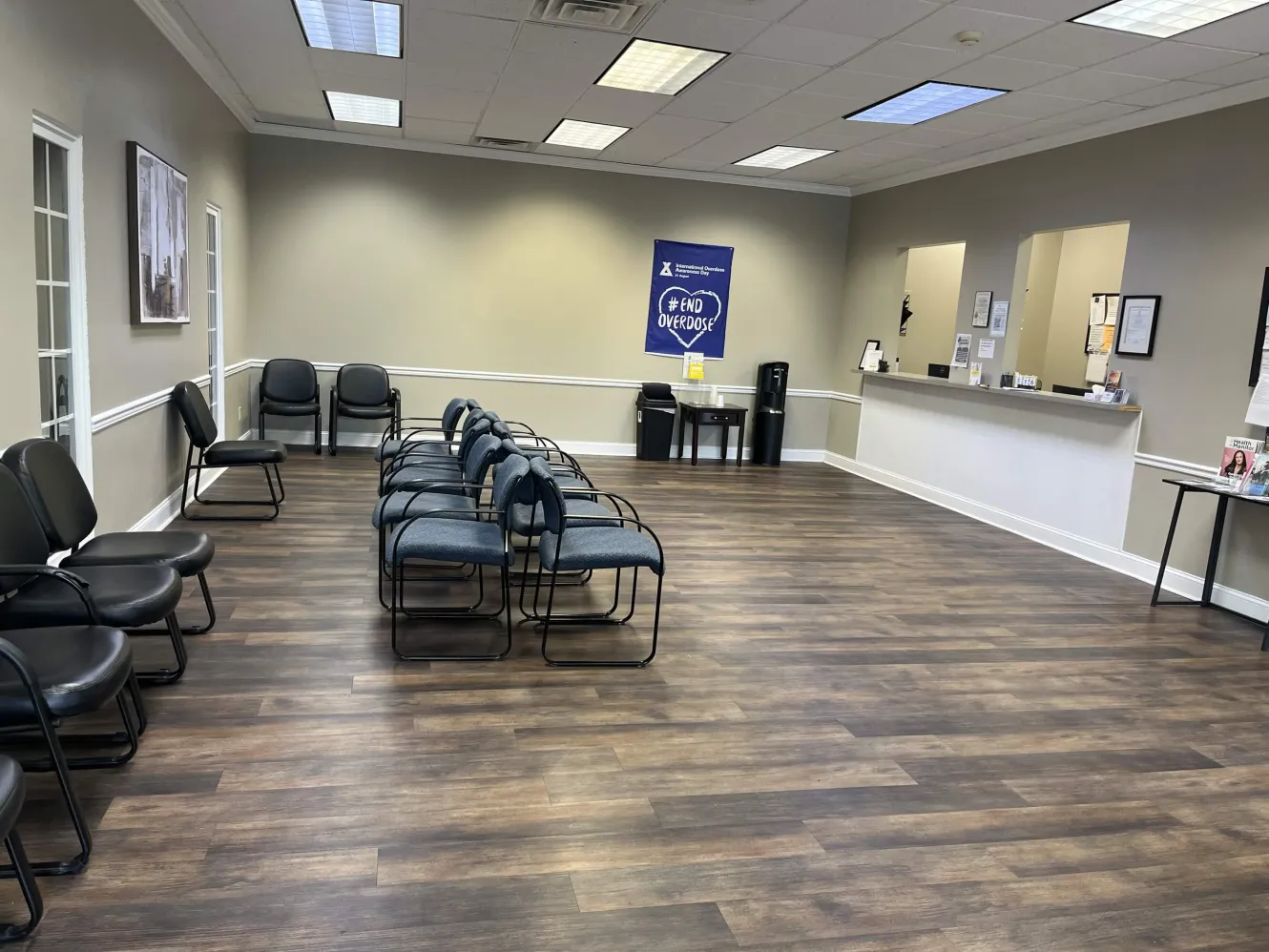
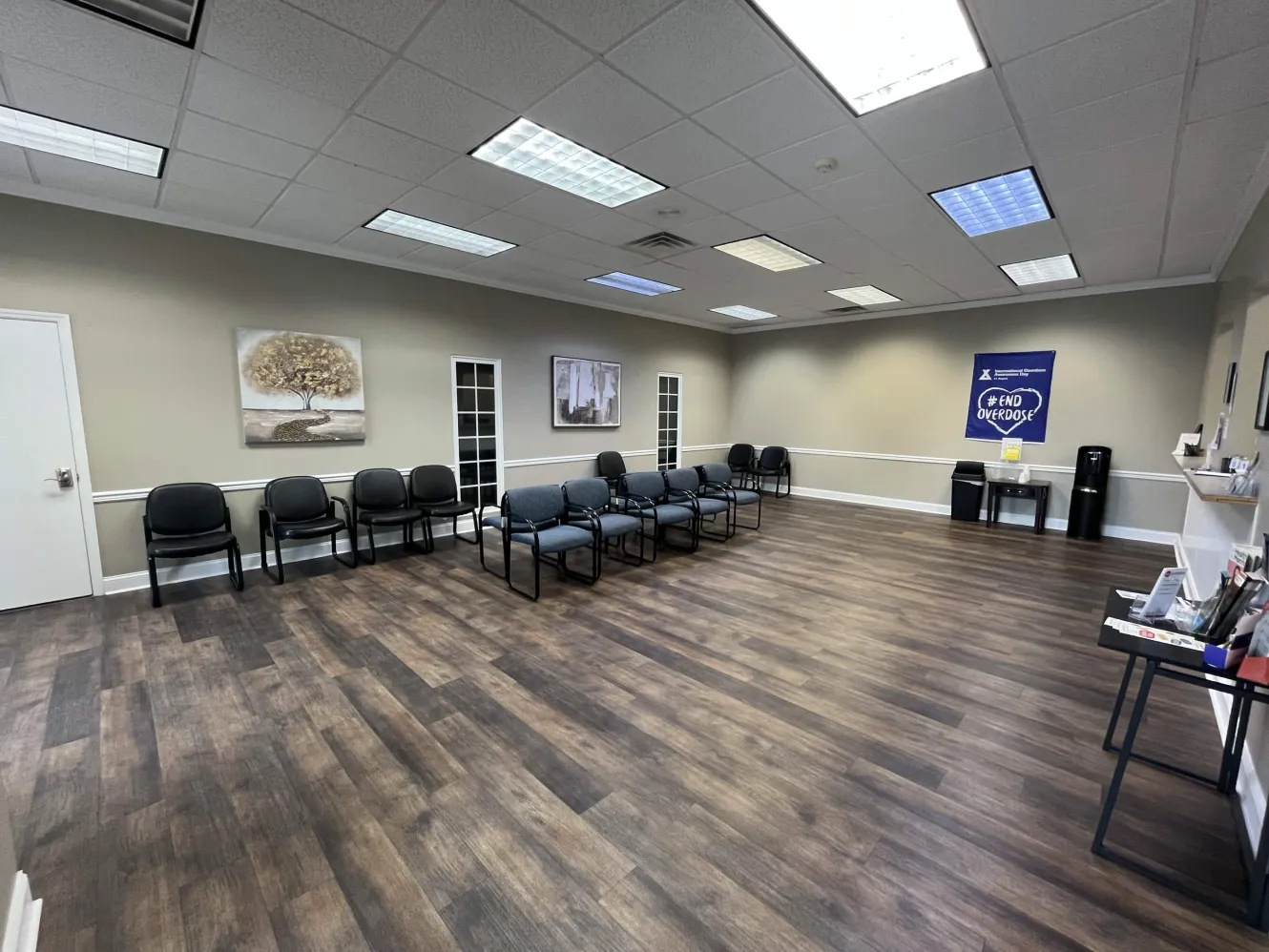
Chattanooga Clinic

Address6141 Shallowford Rd, Suite 100
Chattanooga, TN 37421
HoursMonday – Friday · 9:00 am – 4:30 pm
Fax423-498-2001
Why patients choose us

Why Chattanooga Patients Start Treatment at Restoration Recovery

Outpatient medication-assisted treatment is the largest and most-evidence-backed lane of addiction care in the country. For the overwhelming majority of patients with opioid or alcohol use disorder, it's the right place to start — and for most of our patients, it's where treatment ends up, too. Here's what starting at Restoration Recovery looks like in practice.

Same-week appointments

Most Chattanooga patients are seen within the same week they call. No six-week waitlists, no endless phone tag. Your first visit is a 60-to-120-minute evaluation with intake, counseling, and a doctor — and if clinically appropriate, a same-day Suboxone prescription. Sublocade and Brixadi injections are ordered during the first visit and administered at a follow-up.

Keep your job, your family, your home

Outpatient MAT is built around the life you already have — not the life you'd need to pause to get care. You come in for the first visit (one half-day), leave with a prescription, and follow-ups are 15 to 30 minutes each. Most patients never miss more than a few hours of work, and most follow-ups can be done by telehealth after the first in-person visit.

Evidence-based medications for opioid and alcohol use disorder

We prescribe all five FDA-approved MAT medications: Suboxone (daily film or tablet), Sublocade (monthly injection), Brixadi (weekly, bi-weekly, or monthly injection), Vivitrol (monthly injection for alcohol use disorder), and Acamprosate (daily oral for alcohol abstinence). Your provider picks the medication that fits your clinical picture and your life — not a one-size-fits-all protocol.

IOP and counseling when more support is needed

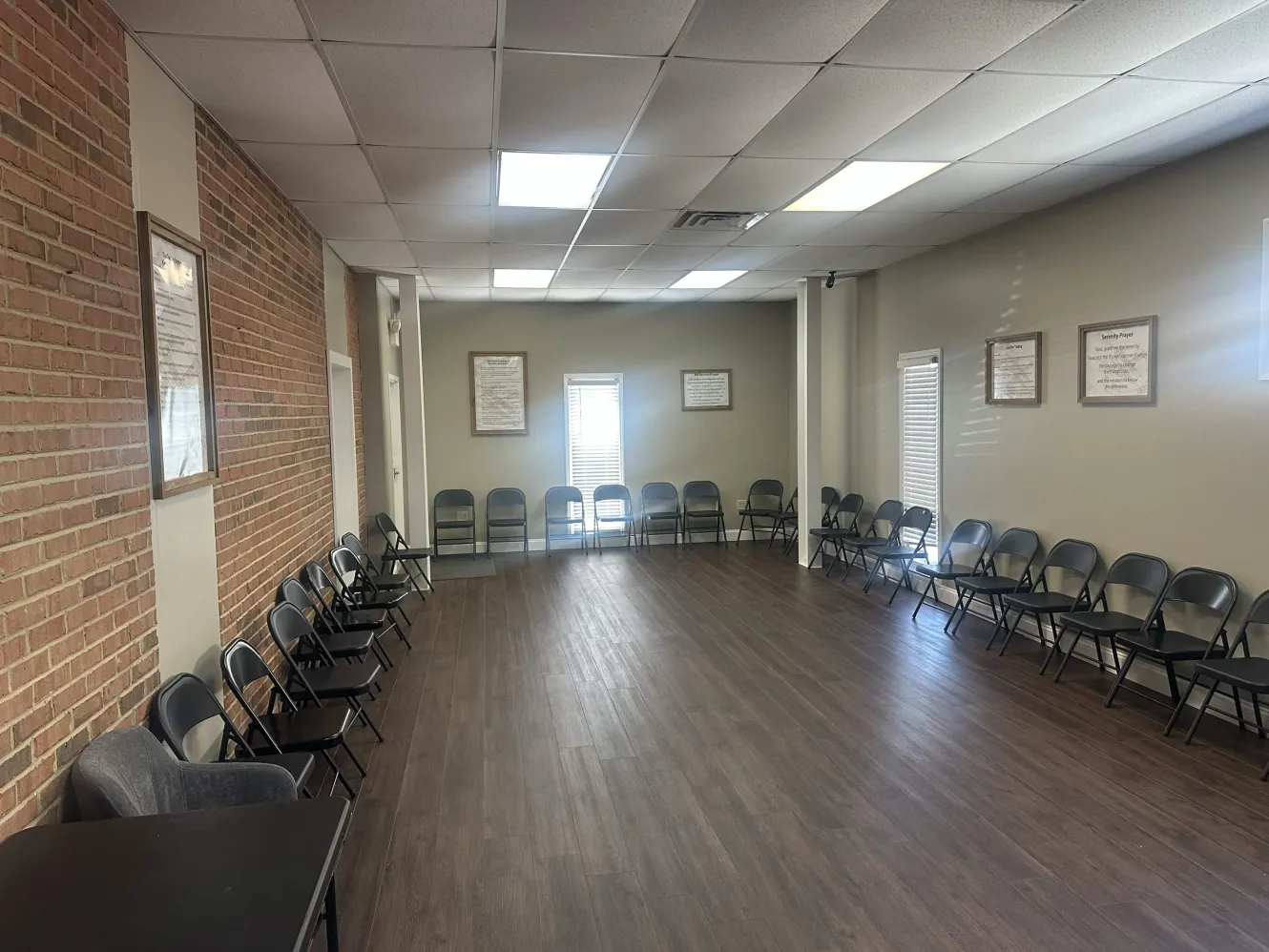
If medication alone isn't the right intensity, our intensive outpatient program (IOP) adds structured group programming nine or more hours a week — still on an outpatient schedule, still living at home. Individual counseling and certified peer support specialists are available alongside every treatment plan. Behavioral health and psychiatric care are integrated for co-occurring anxiety, depression, and trauma. Weekly Narcotics Anonymous meetings are hosted at the clinic.

Telehealth follow-ups after your first visit

After the initial in-person evaluation, many follow-up appointments can be done via secure HIPAA-compliant telehealth from your phone, tablet, or computer. For Chattanooga professionals, commuters, and parents, this is usually the deciding factor — treatment that integrates into the week you already have, not one that rebuilds your schedule around it.

TennCare and most commercial insurance accepted

We accept TennCare (BlueCare is Hamilton County's dominant MCO), Medicaid, BlueCross BlueShield of Tennessee, Cigna, Aetna, Ambetter, UnitedHealthcare, Tricare, and most major commercial plans. Most patients pay little to nothing out of pocket for MAT. Verify your coverage before your first visit or call us to check.

Four regional clinics — Chattanooga as the main office

Chattanooga is our flagship location, open Monday through Friday at 6141 Shallowford Road. Our Cleveland, TN, Soddy-Daisy, TN, and Ringgold, GA clinics add regional coverage on specific weekdays. Same patient, same medical record, same treatment plan across all four doors — call 423-498-2000 and we'll help you pick the clinic that fits your schedule and geography best.

Ready to start? Call 423-498-2000 or request an appointment online — most new Chattanooga patients are in the chair within a week.

From your Chattanooga neighborhood

How to get to our Shallowford Road clinic from across Chattanooga

The clinic sits at 6141 Shallowford Road, just off Highway 153 at the Shallowford Road exit — central enough that no neighborhood in Chattanooga is more than about 20 minutes away, and most are closer to 10. Here's how the main routes work depending on where you're starting from.

Downtown Chattanooga, Southside & Riverfront (37402 · 37403 · 37408)

From downtown, UTC, the downtown hospital district, or the Southside, I-27 north to Highway 153 east is the most direct route — about 10 to 15 minutes depending on weekday traffic. Get off at the Shallowford Road exit and the clinic is a minute east on the right. Parking is free and on-site. If you already commute through this interchange for work, the appointment fits cleanly into a lunch hour or before-work block.

East Ridge & Brainerd (37412 · 37411)

If you live around East Ridge, along Brainerd Road, or near the Hamilton Place corridor, you're closest — usually 5 to 10 minutes to the clinic via Shallowford Road itself or Lee Highway. Most patients in this area find the clinic on a map before they fully realize how close it is to Hamilton Place Mall.

Hixson, Red Bank & North Shore (37343 · 37415 · 37405)

From Hixson, Red Bank, or the North Shore side of the river, take Highway 153 south to the Shallowford exit — about 10 to 12 minutes from Hixson and closer to 15 from the North Shore. If you're starting from the Hixson side in particular, Hixson Pike south is an equivalent alternative. Our Soddy-Daisy clinic on Walmart Drive is another option if you live north of Hixson Middle School and prefer a shorter drive on Monday or Wednesday.

East Brainerd, Ooltewah & Collegedale (37421 · 37363 · 37315)

East Brainerd is the home ZIP (37421) of the clinic itself — most East Brainerd residents are within a 10-minute drive. From Ooltewah or Collegedale, take I-75 south to Highway 153 west, or Lee Highway west — 12 to 15 minutes either way.

St. Elmo, Lookout Valley & Alton Park (37409 · 37419 · 37410)

From the south side of Lookout Mountain, St. Elmo, or Alton Park, I-24 east to I-75 north to Highway 153 east — usually 15 to 20 minutes. Traffic on I-75 between downtown and Shallowford Road is the variable; early morning and late afternoon both add time.

Signal Mountain & Mountain Creek (37377)

From Signal Mountain, take Signal Mountain Road down to Dayton Pike to Highway 153 east — about 20 minutes on a clear day. Several Signal Mountain patients do their first visit in person and then use telehealth follow-ups to avoid repeating the descent and return trip.

Already commuting through Chattanooga?

If your work commute already takes you past Hamilton Place, the Highway 153 corridor, or the Shallowford area, your first in-person visit can fit into a longer lunch hour (60 to 120 minutes depending on intake flow). Follow-up visits are shorter — often 15 to 30 minutes — and most are eligible for telehealth after the first in-person visit. Several of our Chattanooga patients never make a second in-person trip after month one: the medication management side of recovery moves entirely online once you're stable.

How outpatient addiction treatment works at our Chattanooga clinic

Restoration Recovery provides outpatient addiction treatment at our Chattanooga clinic. You visit for appointments and go home the same day. Treatment is built around your schedule, not the other way around.

Your first visit typically takes 60 to 120 minutes and follows a four-step flow: intake (DSM-5 assessment + COWS score for opioid use disorder), counseling evaluation, a doctor visit, and — if clinically appropriate — a same-day Suboxone prescription (Sublocade and Brixadi injections are ordered during the first visit and administered at a follow-up appointment). Follow-up visits are shorter (usually 15 to 30 minutes) and can often be done via telehealth from home, office, or a quiet parking spot.

What we treat

We provide evidence-based treatment for addiction to opioids and opioid-like substances including heroin, fentanyl, oxycodone (OxyContin, Percocet), hydrocodone (Vicodin, Norco), morphine, codeine, tramadol, and prescription painkillers.

We also treat alcohol use disorder, stimulant dependence (cocaine, methamphetamine, Adderall, Ritalin, Vyvanse), benzodiazepine dependence (Xanax, Klonopin, Ativan, Valium), cannabis use disorder, and co-occurring mental health conditions including anxiety, depression, and trauma.

Kratom & 7-Hydroxymitragynine (7-OH) addiction

Kratom and its concentrated derivative 7-OH are increasingly available and cause opioid-like physical dependence with severe withdrawal symptoms. Tennessee HB1647 (“Matthew Davenport's Law”) passed both chambers in April 2026 and awaits the Governor's signature; regardless of legal outcome, physical dependence is real and treatable. Our providers have experience treating kratom and 7-OH dependence with MAT and clinical support tailored to its distinct withdrawal profile.

Medications we prescribe

  • Suboxone (buprenorphine/naloxone) — daily film or tablet for opioid use disorder. Reduces cravings and prevents withdrawal so you can function normally.
  • Sublocade (extended-release buprenorphine) — once-monthly injection for patients who prefer not to take daily medication. No pills, no films, no daily decisions.
  • Brixadi (extended-release buprenorphine) — weekly, bi-weekly, or monthly injection for opioid use disorder. Flexible dosing cadence that fits patients who want a shorter interval than monthly, or who are still titrating to a maintenance dose.
  • Vivitrol (naltrexone) — once-monthly injection for alcohol use disorder. Blocks the reward pathway that drives compulsive drinking.
  • Acamprosate — daily oral for alcohol use disorder. Supports sustained abstinence by reducing post-acute withdrawal discomfort.

Insurance & cost

We accept most major insurance plans including TennCare (BlueCare is Hamilton County's dominant MCO), Medicaid, BlueCross BlueShield of Tennessee, Cigna, Aetna, Ambetter, UnitedHealthcare, Tricare, and most other major commercial plans. Most patients pay little to nothing out of pocket. Verify your coverage or call 423-498-2000 before your first visit.

Why Chattanooga residents come to us

The patterns we see most often at a first visit

The patient who needs to keep working

Most of our patients can't step away from their lives for weeks at a time. They have jobs, kids, rent, a business, a parent they're caring for. The calculation isn't whether treatment is worth doing — it's whether treatment is compatible with staying employed and present. Outpatient MAT is built specifically for that: you come in for a 60- to 120-minute first visit, leave with a prescription in hand if clinically appropriate, and follow-ups are 15 to 30 minutes each. For most working Chattanoogans, the first visit is one half-day off work, and nothing after that breaks the schedule.

The BlueCare / BCBS-TN patient

Hamilton County's dominant TennCare MCO is BlueCare, and a huge share of employer-sponsored insurance in Chattanooga is BlueCross BlueShield of Tennessee. Both cover MAT in-network at Restoration Recovery with minimal or no patient cost share. If the financial side of treatment is what's held you back, it's probably not the obstacle you think. Check your coverage.

The legacy-pain patient

A significant share of our patients are people in their 40s, 50s, and 60s who started on a legitimate prescription after surgery, a workplace injury, or a chronic-pain diagnosis — and who found themselves physically dependent when the prescription stopped or the doctor retired. The clinical picture is usually more straightforward than the personal story. Buprenorphine at the right dose stops the craving, keeps the receptor occupied, and lets the original pain conversation resume without the chase. You don't have to leave legitimate pain management behind to start MAT.

The kratom or 7-OH patient

Kratom use has grown quickly in Tennessee, and the more concentrated 7-OH products have created a new wave of patients — often younger, often without any history of other opioid use — who've developed physical dependence without expecting it. Buprenorphine-based treatment (Suboxone, Sublocade, Brixadi) works well for kratom withdrawal. With HB1647 on Governor Lee's desk, more current kratom users are asking what comes next; our answer hasn't changed: don't stop cold turkey, come in for an evaluation, and we'll map out a taper or MAT start that fits your situation.

Frequently asked questions

Is outpatient MAT the right starting point for me?

For most people with opioid or alcohol use disorder, yes. Outpatient MAT at Restoration Recovery is built for patients who can keep living their lives — working, parenting, managing a household — while getting treatment. You come in for a 60-to-120-minute first visit, leave with a prescription if clinically appropriate, and most follow-ups are 15 to 30 minutes. Outpatient is the largest and most-evidence-backed lane of addiction care in the country. A 5-minute phone call at 423-498-2000 will tell you whether it's the right fit for your situation.

Do I need to detox before starting Suboxone?

In most cases, no. For opioid use disorder, you should be in early withdrawal before your first Suboxone dose — your provider will explain exactly what to expect. If your clinical picture calls for medically-supervised withdrawal first, your provider will tell you and help you find the right path in.

How quickly can I start addiction treatment in Chattanooga?

Most patients are seen within the same week at our Chattanooga clinic. Call 423-498-2000 or request an appointment online. Many patients begin Suboxone on their first visit after a 60 to 120 minute evaluation. Sublocade and Brixadi injections are ordered during the first visit and administered at a follow-up.

What insurance do you accept?

We accept TennCare (BlueCare is Hamilton County's dominant MCO), Medicaid, BlueCross BlueShield of Tennessee, Cigna, Aetna, Ambetter, UnitedHealthcare, Tricare, and most major commercial plans. Most patients pay little to nothing out of pocket for MAT. Verify your coverage or call us before your first visit.

Will Suboxone work if I've been using fentanyl?

Yes, but fentanyl induction requires a tailored approach. Fentanyl is lipophilic and stores in fat tissue, which changes the withdrawal timing. Traditional “wait until COWS 12” rules fail for fentanyl users. We use individualized induction including microinduction or long-acting injectables (Sublocade, Brixadi) when clinically appropriate to reduce precipitated withdrawal risk. Our fentanyl addiction treatment page covers the clinical detail.

What about kratom or 7-OH dependence?

Kratom and concentrated 7-hydroxymitragynine (7-OH) products cause opioid-like physical dependence. Buprenorphine-based treatments (Suboxone, Sublocade, Brixadi) work well for kratom and 7-OH withdrawal. Our clinicians have experience with the distinct kratom withdrawal profile. Don't stop cold turkey — come in for evaluation first.

Is my treatment confidential?

Yes. All treatment at Restoration Recovery is protected by HIPAA and 42 CFR Part 2 — the strictest federal privacy standard for substance use treatment. Your records cannot be shared with family members, employers, or other providers without your written consent.

Can I do most of my appointments via telehealth?

Your first visit is in-person for a DEA-compliant evaluation. After that, many follow-up appointments can be done via secure HIPAA-compliant telehealth from your phone, tablet, or computer — useful for Chattanooga professionals, commuters, and patients managing work or family schedules.

What if I'm coming from outside Chattanooga?

We have three other Tennessee and Georgia clinics — Cleveland, TN, Soddy-Daisy, TN, and Ringgold, GA — that may be closer to you. Chattanooga is the only clinic open Monday through Friday; the others run on specific days of the week. Call 423-498-2000 and we'll help you pick based on your location and schedule.

Other Restoration Recovery locations

In addition to our Chattanooga clinic, Restoration Recovery operates three other outpatient locations across Tennessee and Georgia.

  • Cleveland, TN — 2130 Chambliss Avenue NW, Cleveland, TN 37311 (Tue & Thu, 9am–4:30pm)
  • Soddy-Daisy, TN — 210 Walmart Drive, Suite 100, Soddy-Daisy, TN 37379 (Mon & Wed, 9am–4:30pm)
  • Ringgold, GA — 4962 Battlefield Pkwy, Ringgold, GA 30736 (Fri, 9am–4:30pm)

View all locations →

A place for hope & healing

Starting is the
hardest part.
We’ll take it from there.

Same-day appointments available in most cases. Confidential from your first call.