Frequently Asked Questions
Do I really have to drive 40 minutes to Cleveland, or is there something closer?
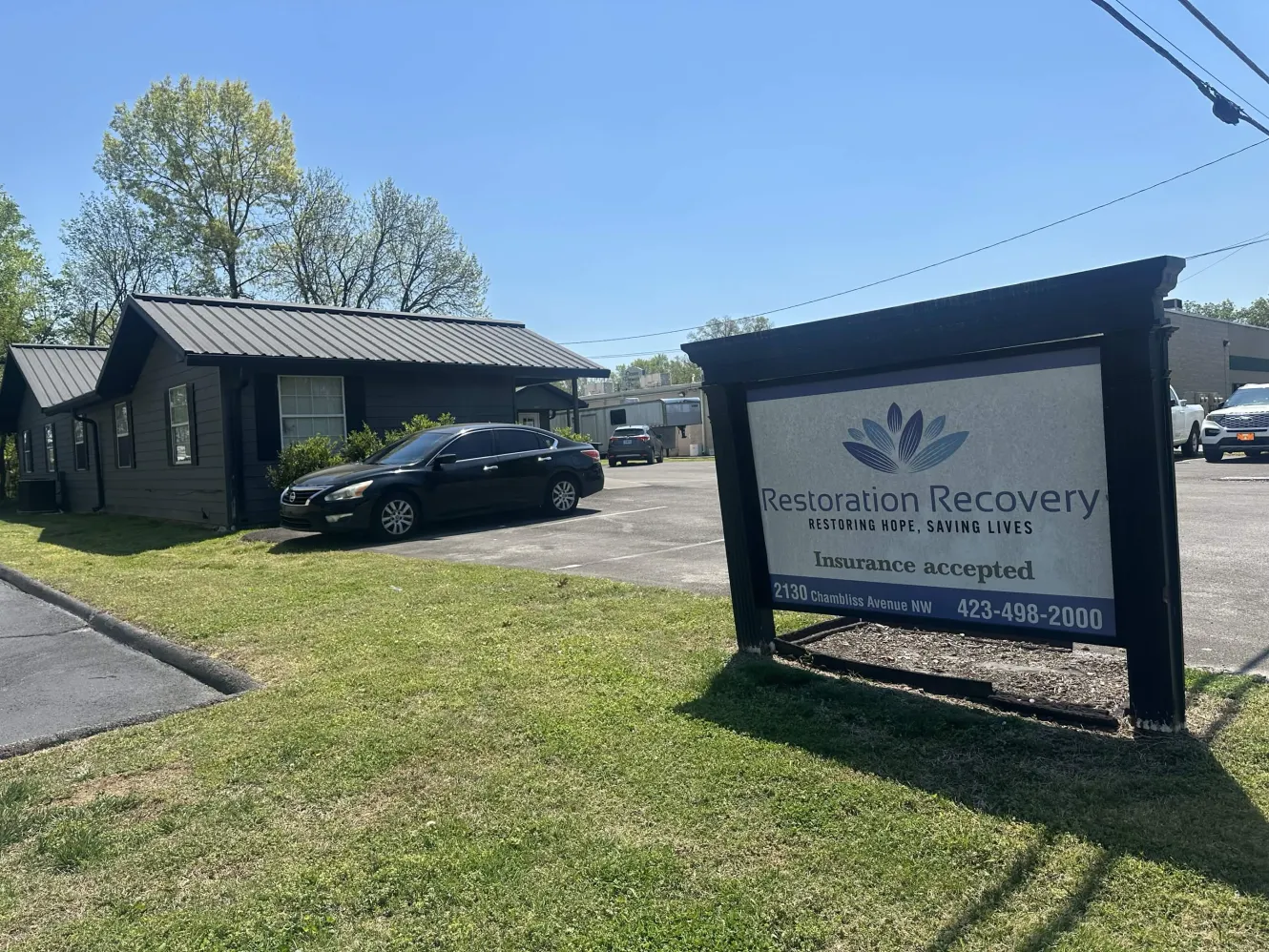
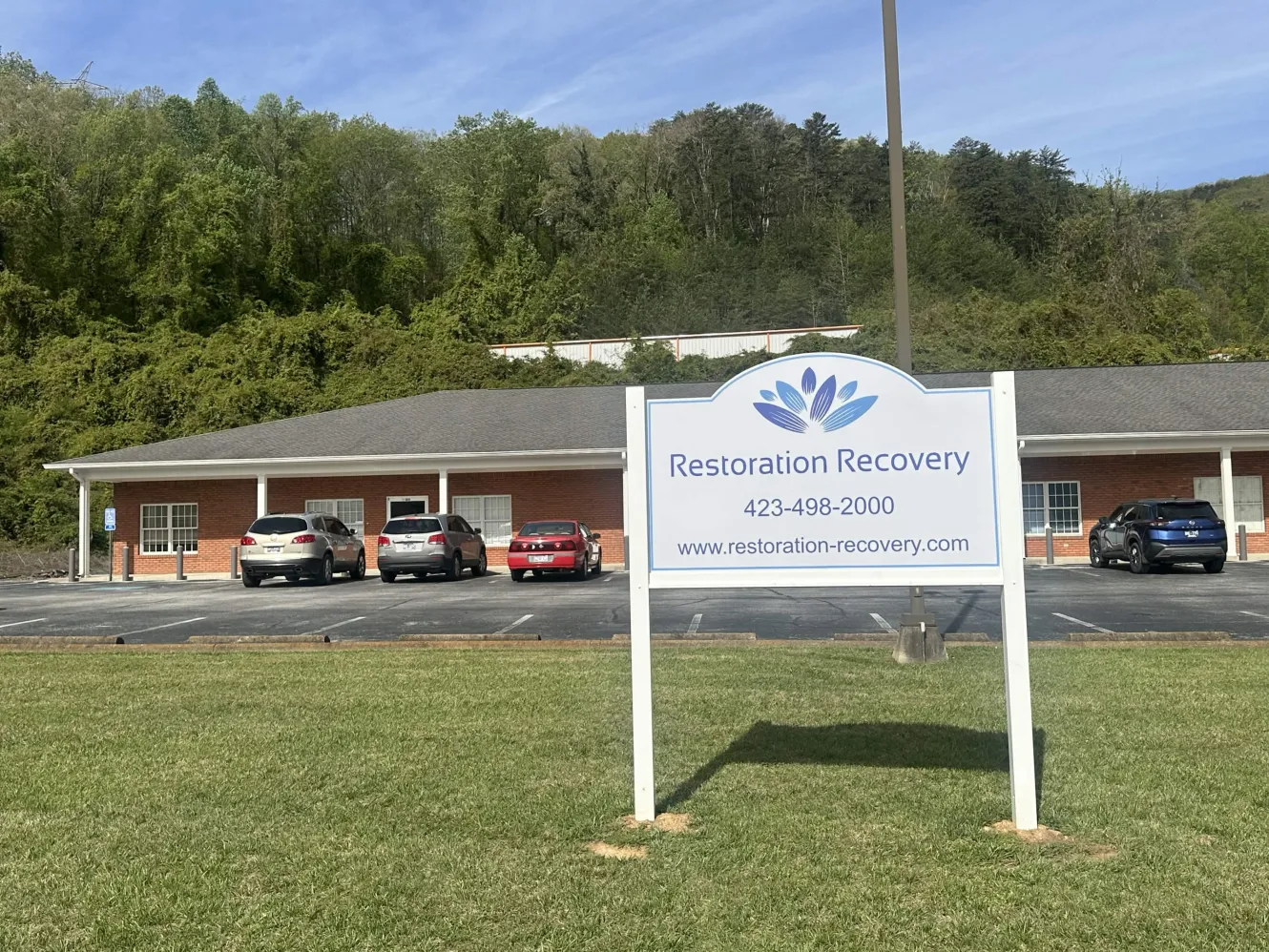
The two closest Restoration Recovery clinics to Meigs County are Cleveland (about 40 minutes southeast of Decatur via TN-58 and US-11) and Soddy-Daisy (about 45 minutes southwest via TN-58 and TN-60). For the first visit, yes — it is always in person, and we do not currently have a clinic inside Meigs County. After the first visit, though, the large majority of follow-ups can be done from home via HIPAA-compliant telehealth. That can make the drive a one-time or occasional trip rather than a routine one.
Which clinic should I choose — Cleveland or Soddy-Daisy?
It depends on which direction your life already points. If you drive to Athens, Cleveland, or the I-75 corridor regularly for work, shopping, or family, our Cleveland clinic (Tuesday and Thursday, 9am–4:30pm) is the natural fit. If you drive toward Chattanooga, Soddy-Daisy, or Hixson more often, our Soddy-Daisy clinic (Monday and Wednesday, 9am–4:30pm) is the better match for daily Suboxone. Both clinics share the same providers organization-wide; for Sublocade, Brixadi, or Vivitrol injections, our Cleveland or Chattanooga clinics administer those, since Soddy-Daisy is oral-only. A third option is our main Chattanooga clinic (Monday through Friday, about 55–60 minutes from Decatur), which is the right pick if your schedule isn’t flexible on Tuesdays, Thursdays, Mondays, or Wednesdays. Call 423-498-2000 and we’ll help you pick.
How important is telehealth for Meigs County patients, specifically?
Very. Meigs County has roughly 12,300 residents spread across a rural county with no in-county MAT clinic. After the initial in-person evaluation, follow-up visits are weekly at first, then every two weeks, then monthly as you stabilize. Meigs County patients on oral medication can do those visits by secure video and do not have to come back to the clinic unless their provider asks. For the Ten Mile and Watts Bar Lake communities in the north of the county, where drive time stretches to an hour, telehealth is often the only practical way to maintain continuity of care without rearranging your whole week. Sublocade and Brixadi injections are administered at our Cleveland or Chattanooga clinic (Soddy-Daisy is oral-only) — about once a month for Sublocade, weekly or monthly for Brixadi — and everything else, including routine drug testing, can usually run remotely.
What about weather — what happens if the roads are bad?
Weather on the back roads of the Tennessee valley is a real consideration, especially in winter and after heavy rain when some valley roads hold water. If you have an in-person appointment scheduled and conditions are genuinely unsafe, call us as early as possible and we will reschedule or switch the appointment to a telehealth visit if it’s the kind of visit that can be done remotely. We would rather flex our schedule than have a patient risk a drive in ice or flooding. For ongoing medication management, telehealth is available — weather rarely affects continuity of care.
Will my treatment be confidential in a small rural county where everyone knows everyone?
Yes. All treatment at Restoration Recovery is protected by HIPAA and 42 CFR Part 2 — the strictest federal privacy standard for substance use treatment. Your records cannot be shared without your written consent, including with family, employers, other providers, or local agencies, except in limited cases the law allows, such as a medical emergency or a court order. For patients worried about running into a neighbor, driving to Cleveland or Soddy-Daisy rather than looking for a provider in Decatur is itself an extra layer of privacy. Telehealth adds another layer — no one sees you walk into a building.
How quickly can I start treatment?
Most Meigs County patients are seen within the same week. Call 423-498-2000 or request an appointment online. Patients starting Suboxone leave their first visit with a prescription and take the first dose at home (Sublocade and Brixadi injections are ordered at the first visit and administered at a follow-up at our Cleveland or Chattanooga clinic).
What insurance do you accept for Meigs County residents?
We accept TennCare (BlueCare is the dominant managed-care organization in this region), Medicaid, BlueCross BlueShield of Tennessee, Cigna, Aetna, Ambetter, UnitedHealthcare, and most major commercial plans. For uninsured residents, self-pay options are available — don’t assume you can’t afford to start without calling first. Check your coverage here.
Do I need to stop using opioids before my first appointment?
You do not need to be completely off opioids before coming in. Your provider will evaluate where you are and guide you through a safe transition onto Suboxone. In most cases, you should be in early withdrawal before your first dose, which you take at home. At your first visit, your provider will explain when to take that first dose.
Can follow-up appointments be done from home?
Yes. After your initial in-person evaluation, many follow-up visits can be conducted via secure, HIPAA-compliant telehealth from your phone, tablet, or computer. For Meigs County residents, this is usually the default pattern after the first visit.

 CARF Accredited