Why Varnell residents come to us
Starting treatment from the 30756 ZIP
The carpet-mill workforce and the legacy of manual manufacturing pain
Whitfield County's economy runs on carpet. More than 150 carpet plants sit in and around Dalton, employing over 30,000 people across tufting, finishing, dyeing, yarn spinning, backing, cutting, shipping, and maintenance. More than 90% of the functional carpet produced in the world today is made within a 65-mile radius of Dalton — a statistic that understates how much of Varnell's adult population has spent a career on a plant floor or in a warehouse connected to that supply chain. The physical toll is real. Decades of heavy lifting on the tufting lines, repetitive rotation injuries in the finishing departments, forklift back injuries, and the wear-and-tear of 12-hour shifts on concrete have produced a generation of patients in their 40s, 50s, and 60s with chronic pain histories and a prescription-opioid paper trail that stretches back ten or fifteen years.
Legitimate pain. Legitimate prescription. Then the prescription ends — a practice closes, a physician retires, a dose gets cut, a pharmacy flags something, the rules change — and the patient is left physically dependent with no clinical off-ramp. Some try to taper alone and fail. Some buy from a coworker or a family member. Some end up on the street supply, which in North Georgia now means fentanyl whether the pill is labeled or not. Buprenorphine at the right dose is the clinical tool for exactly this population: it stops the withdrawal, takes the craving out of the equation, and — critically — lets the underlying pain conversation resume with a legitimate pain-management provider, without the addiction layered on top.
The "I can't take two weeks off the line" reality
Dalton's carpet plants run rotating and staggered schedules. Some are 12-hour rotations (two days on, two days off, three days on). Some run 4-10s or 5-8s with overtime stacked on. The common thread is that nobody can disappear for two weeks without losing a shift differential, falling behind on a mortgage, or — in some plants — losing the job entirely. Our care model is fully outpatient: you come in for a 2-to-3-hour first visit at our Ringgold or Chattanooga clinic, you leave with a prescription, and follow-ups after that are short (often 30 to 45 minutes) and can be by telehealth. If you can take a half-day, an off-shift weekday morning, or a scheduled day off, you can start treatment without explaining anything to your supervisor.
Georgia Medicaid that actually pays here
We are an in-network Georgia Medicaid provider through the Georgia Families managed care program. We also accept Georgia straight Medicaid, Medicare, BlueCross BlueShield of Georgia, Cigna, Aetna, Ambetter, UnitedHealthcare, and most major commercial plans — including the employer-sponsored plans offered by the large carpet manufacturers, the mill supply contractors, and the Whitfield County school district. The CMO lineup can change as the state settles its next round of contracts — call us with your specific plan and we'll verify in-network status before scheduling. If your Medicaid CMO has a prior-authorization requirement for Suboxone or Sublocade, we handle the paperwork from our side; you do not need to navigate the CMO portal. What you pay depends on your plan, and we verify coverage before the first visit so there are no billing surprises.
The rural-adjacent-to-industrial access problem this clinic solves
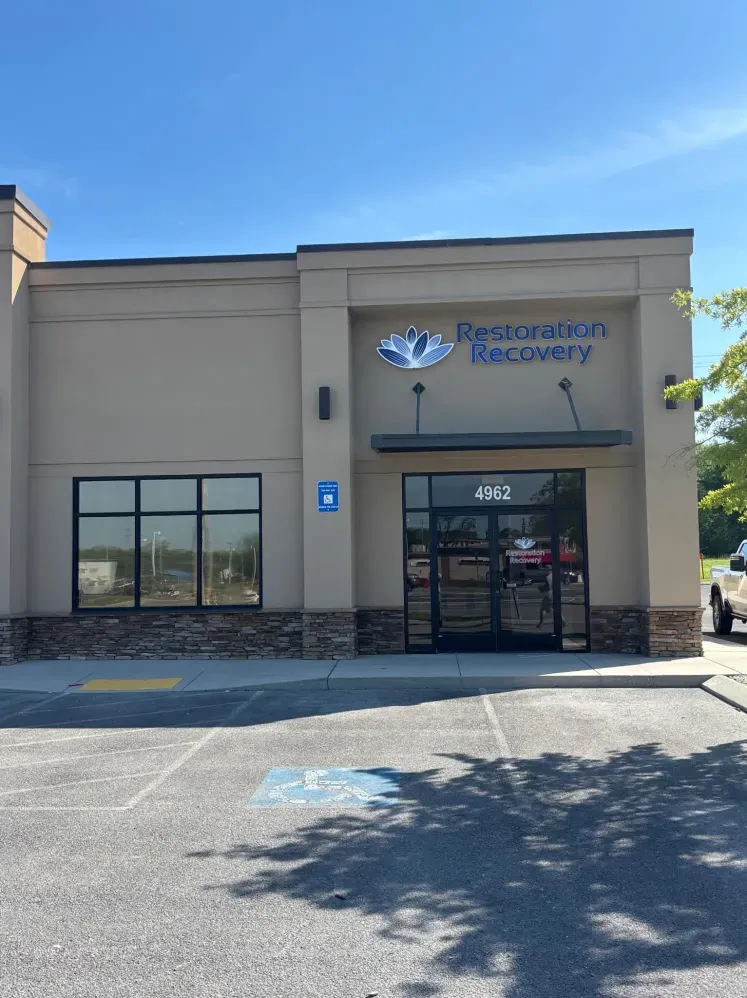
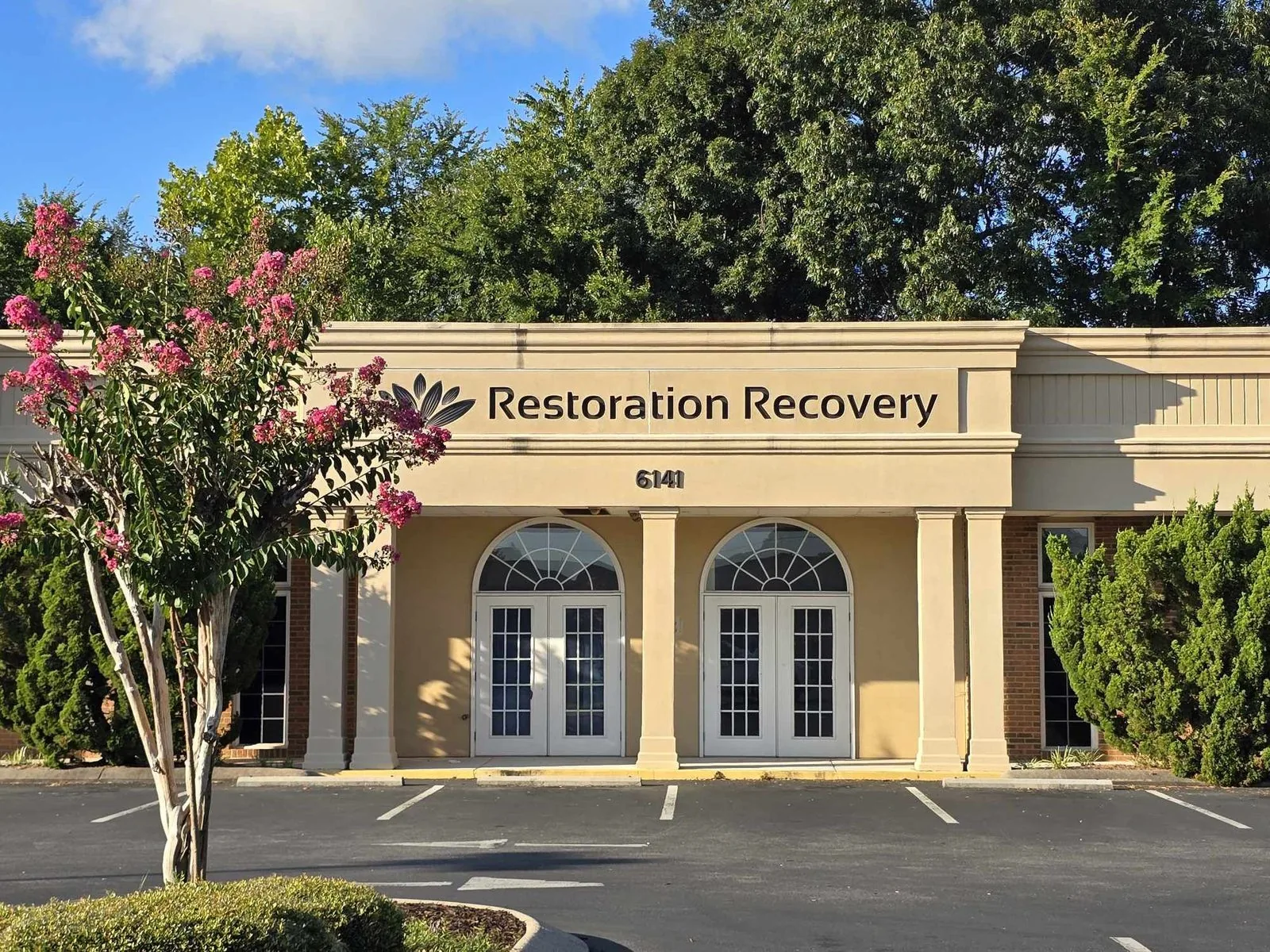
Varnell is a rural-feeling small town that sits right next to an industrial center. That is an unusual combination when it comes to healthcare access: the town itself is small, quiet, and has limited clinical services, but Dalton next door has the hospitals, the clinics, and the specialists. The problem has historically been specialty addiction care — MAT clinics in North Georgia have been thin on the ground, particularly ones that accept the state Medicaid CMOs without a months-long wait. From Varnell, our Ringgold clinic is 15 minutes; Chattanooga is 35. Both clinics are in-network Georgia Medicaid providers and run same-week first-visit scheduling. For patients further out in rural Whitfield or Murray County, the drive is longer but still doable for the first visit and for weekly or monthly injection appointments. After the first visit, telehealth patients on oral medication do not have to come in unless their provider asks to see them.
Privacy in a town where everyone knows everyone
Varnell has about 2,200 residents. Everyone knows everyone, or knows someone who knows them. Our Ringgold clinic sits 15 minutes west in Catoosa County, and our Chattanooga clinic sits across the state line — far enough that the odds of bumping into someone from Varnell or north Dalton are effectively zero. On top of the geographic distance, your entire chart is legally walled off. Treatment records at Restoration Recovery are protected by HIPAA and 42 CFR Part 2, the strictest federal privacy standard for substance use treatment. No employer (including the carpet plants' occupational-health departments), family member, insurance company, or outside provider can see your records without your written consent, except in limited cases the law allows, such as a medical emergency or a court order.
Telehealth for the Varnell-to-Chattanooga commuter
Your first in-person visit at our Chattanooga clinic takes 2 to 3 hours, so plan on a half-day. After that, telehealth follow-ups can happen from your phone — a parking lot at work, a quiet room on break, home after a shift. The only appointments that have to happen in person after intake are the long-acting injections (Sublocade and Vivitrol every four weeks; Brixadi weekly or monthly) and any visit your provider asks you to come in for.


 CARF Accredited