
Restoration Recovery outpatient addiction treatment logo
Kratom & 7-OH · Updated October 2026

Cat's Claw Tablet (Kratom & 7-OH) Addiction Treatment in Tennessee

Since Tennessee's kratom ban took effect on July 1, 2026, chewable tablets labeled "cat's claw" have turned up where kratom used to be sold. Labs in Tennessee and other states have found kratom-derived opioids in some of these packs, including MGM-15 and 7-OH, often with none listed on the label. If you take them every day and feel sick when you stop, that is a sign of opioid dependence, and we treat it at our four clinics across Southeast Tennessee and North Georgia.

Same-day appointments available · In-person & telehealth visits · TennCare, BlueCare, BCBS, UHC, and most commercial insurance accepted.

★ 4.6 / 5 from 51 Google reviews · CARF-accredited · Read our reviews →

You don’t need to know what was in the pack to call Confidential from your first call
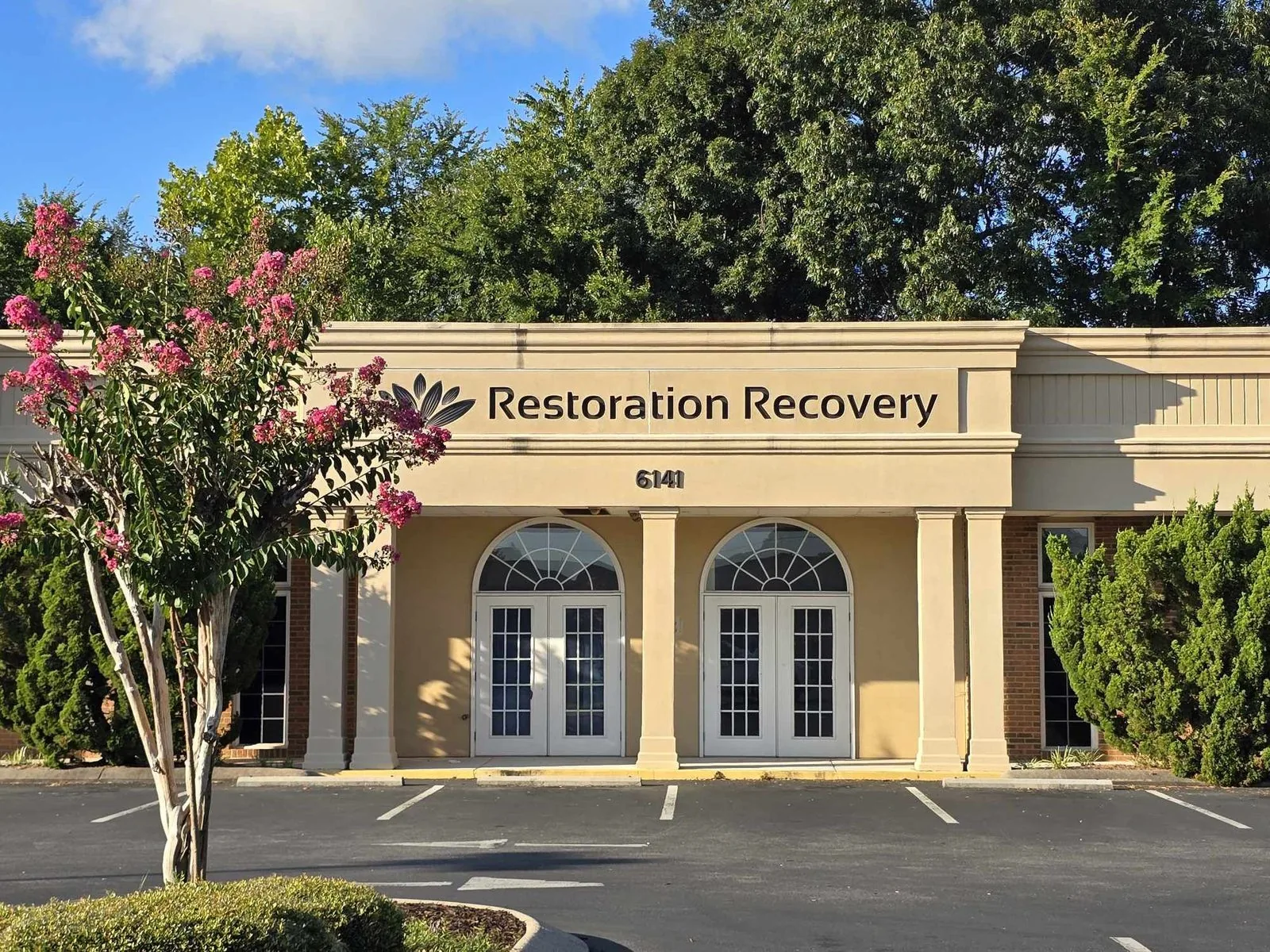
Restoration Recovery's Chattanooga clinic building
CARF Gold Seal of Accreditation CARF AccreditedServing Chattanooga since 2017
CARF Accredited Licensed in Tennessee & Georgia Same-day appointments available Confidential from your first call

Overview

What Are “Cat’s Claw” Tablets?

What cat’s claw is

Cat’s claw is a woody vine from the Amazon rainforest (Uncaria tomentosa, and a close relative, Uncaria guianensis), named for the hooked thorns along its stems. Its inner bark has a long history in South American folk medicine, and in the U.S. it is sold as an herbal supplement promoted for arthritis, viral infections, and cancer, with no definitive scientific evidence behind those uses.

The herb itself is not known to act like an opioid. The Washington Poison Center says authentic cat’s claw is not psychoactive and does not cause opioid overdose or withdrawal. Its main alkaloid, mitraphylline, works on inflammation and the immune system, according to the University of Virginia’s Blue Ridge Poison Center.

What showed up after July 1

Before the ban

Kratom and concentrated 7-OH tablets, shots, and powders sold openly at Tennessee gas stations, vape shops, and smoke shops.

After July 1, 2026

Within weeks, flavored chewable tablets labeled “Cat’s Claw Extract” appeared in the same spots, under brand names such as Buzzers and KLAZ.

Utah officials and UVA’s poison center describe labels that call the product legal and kratom-free while warning that it is for adults 21 and over, or that it contains potentially addictive substances.

What testing has found

Lab tests of some of these tablets have found opioids made from kratom that were not listed as ingredients.

Chewable tablets

Cat’s Claw Extract

Uncaria tomentosa

  • “Legal”
  • “Adults only” · “21+”
  • “May contain addictive substances”
  • Claims to be free of kratom
What the pack says: a composite of label claims reported by Utah officials, not any one product’s packaging.

What labs found

  1. Tennessee Bureau of Investigation Sept 2026

    MGM-15

    As the TBI told WSMV. It also told NewsChannel 9 that 18 kratom-laced tablet packs labeled cat’s claw have been submitted to its crime lab since July, some with no kratom on the label.

  2. Utah Department of Agriculture and Food Oct 2026

    Mitragynine pseudoindoxyl · MGM-15

    In Buzzers tablets labeled cat’s claw (Utah Poison Control Center)

  3. Poison centers in several states Sept 2026

    Mitragynine · 7-OH · mitragynine pseudoindoxyl · MGM-15

    None of them on the label, per UVA’s Blue Ridge Poison Center

  4. Virginia Department of Health Sept 2026

    Kratom alkaloids, including 7-OH

    Unlabeled, in products sold as “cat’s claw”

In October 2026, Utah health officials reported four deaths linked to illegal cat’s claw and kratom products. Not every cat’s claw product contains these compounds. A test of one batch does not tell you what is in another, so without testing the pack you have, there is no way to know what is in it or how much.

Latest status: 7-OH ban tracker · Tennessee ban law tracker · Georgia kratom laws

The herb itself is legal in Tennessee, a TBI agent told NewsChannel 9. The TBI also told WSMV that products sold as cat’s claw have contained MGM-15, a compound made from kratom, and that kratom is illegal in Tennessee.

Tennessee’s Matthew Davenport’s Law (HB1649) took effect July 1, 2026 and bans the manufacture, delivery, sale, and knowing possession of kratom and 7-OH products. Its definition of kratom covers mitragynine and 7-hydroxymitragynine and their derivatives. Federally, a DEA temporary order placed mitragynine pseudoindoxyl, MGM-15, and MGM-16 in Schedule I effective August 26, 2026 (91 FR 54948), so those compounds are illegal nationwide, including in Tennessee. 7-OH itself is not federally scheduled yet: the DEA’s October 14, 2026 notice of intent (91 FR 65370) says an order will not be issued before November 13, 2026.

Georgia regulates kratom for adults 21 and older instead of banning it, but the federal Schedule I listing for MGM-15 and mitragynine pseudoindoxyl applies there too.

None of these laws limits treatment. We prescribe buprenorphine and see patients as usual.

If you’ve been taking them

The compounds found in these tablets work on the same opioid receptors as oxycodone and heroin. Taken every day, they build tolerance, and stopping can bring opioid-type withdrawal: anxiety, sweating, muscle aches, stomach upset, trouble sleeping, and strong cravings. The Virginia Department of Health and the Washington Poison Center both warn about dependence and withdrawal with regular use. There are no studies of these tablets specifically, so we will not put a day-by-day timeline on it.

Routine urine drug screens will not pick these compounds up, according to the Washington Poison Center, so tell your provider exactly what you have been taking, including the brand. If someone is hard to wake or is not breathing normally after taking them, call 911 and give naloxone if you have it.

Taking them every day?

Please do not stop on your own. Stopping suddenly after daily use can bring opioid withdrawal, and quitting that way is prone to relapse. Talk to us before you change anything. Switching to buprenorphine under a doctor’s care is the medically safer option, and we provide it whatever the label on the pack said.

Treatment

How We Treat Cat’s Claw Tablet, Kratom & 7-OH Dependence

Because the compounds found in these tablets act on opioid receptors, we treat dependence on them the way we treat kratom, 7-OH, and MGM-15 dependence. Buprenorphine products (Suboxone film and tablet, Sublocade injections, Brixadi injections) are FDA-approved for opioid use disorder. Restoration Recovery clinically uses buprenorphine off-label for dependence on kratom-derived compounds because they bind the same mu-opioid receptors. UVA’s poison center lists buprenorphine among the treatments for withdrawal from these products. There are no dosing studies specific to these tablets, so the doctor works out your dose and plan at your first visit, based on what you tell us you have been taking and your COWS score.

First-line MAT

Suboxone (daily film or tablet)

A combination of buprenorphine and naloxone taken sublingually — available as a dissolving film or tablet placed under the tongue. Buprenorphine reduces cravings and prevents withdrawal by partially activating opioid receptors without producing euphoria. Naloxone is included to discourage misuse.

Long-acting

Sublocade (monthly injection)

A long-acting form of buprenorphine administered once per month at our Chattanooga, Cleveland, and Ringgold clinics. Many patients prefer Sublocade because it removes the daily decision-making around taking medication and provides steady blood levels throughout the month.

Brixadi (weekly or monthly)

Another extended-release buprenorphine injection, with flexible dosing intervals, given at our Chattanooga, Cleveland, and Ringgold clinics. Patients who prefer weekly injections rather than Sublocade’s monthly cadence — or who are still finding the right maintenance dose — often start with Brixadi’s weekly option and transition to monthly as their treatment plan evolves.

Individual counseling

Licensed therapists experienced in substance use disorder, focused on the patterns behind use and the work of building a stable life in recovery.

Found these tablets in someone’s things?

You don’t need a diagnosis, or to know for sure what it is, before you call. We can talk through what the person has been taking and what happens at a first visit. Our guide for families covers how to bring it up with them.

What to Expect at Your First Appointment

Your first visit typically lasts 2 to 3 hours and has four steps. Be honest about what you have been using and when your last dose was: clinical decisions depend on accurate information, and anything you share is protected by HIPAA and 42 CFR Part 2, the federal rule that specifically shields addiction-treatment records.

01

Intake

Paperwork and a clinical intake, including a DSM-5 assessment to confirm the diagnosis and its severity, and a COWS (Clinical Opiate Withdrawal Scale) score to measure your current withdrawal state. The COWS score helps your provider explain when to take your first Suboxone dose at home without risking precipitated withdrawal.

02

Counseling

You meet with a counselor to discuss your substance use history, any previous treatment, and your personal recovery goals.

03

Doctor evaluation

A medical provider reviews your intake, COWS score, and counselor notes. They walk you through medication options (Suboxone, Sublocade, Brixadi), explain side effects and timing, and answer your questions.

04

Prescription

You leave the same day with a Suboxone prescription. If you prefer the extended-release route, your provider orders Sublocade or Brixadi during this visit — we don’t stock injections on-site — and you bridge on Suboxone until your injection appointment.

About 2–3 hours.You leave the same day with a Suboxone prescription.Bring a photo ID, insurance card, and a list of any medications.

Four Clinic Locations

We operate four outpatient clinics across Southeast Tennessee and North Georgia, with same-day appointments on the days each is open. Walk-ins are not accepted; all visits are scheduled. Daily Suboxone is prescribed at all four clinics; Sublocade and Brixadi injections are given at our Chattanooga, Cleveland, and Ringgold clinics. Hours are 9:00 am to 4:30 pm Eastern on the days listed.

Insurance and Cost

Restoration Recovery accepts most major insurance plans, including TennCare, Georgia Medicaid, a broad range of commercial plans, and Medicare (plus supplemental Medicare plans). TennCare patient cost is typically $0 (BlueCare, Wellpoint, and UHC Community Plan) via the BESMART preferred-buprenorphine program at our TennCare-enrolled clinics. Commercial insurance is covered by major Tennessee carriers including BCBS, UHC, Aetna, Cigna, and Humana — verify your specific plan. Self-pay is $250 per month flat.

Questions

Cat’s Claw Tablet FAQs

Is cat's claw the same thing as kratom?+
No. Cat's claw is a different plant, a vine from the Amazon, and the herb itself is not known to have opioid effects. The concern is tablets sold under the cat's claw name that have tested positive for opioids made from kratom, such as MGM-15 and mitragynine pseudoindoxyl. If a cat's claw product makes you feel high, or you feel sick when you stop taking it, it most likely contains something other than cat's claw.
Is cat's claw legal in Tennessee?+
The herb is. Tennessee's kratom ban, in effect since July 1, 2026, covers mitragynine, 7-hydroxymitragynine, and their derivatives. The TBI told WSMV that products sold as cat's claw have contained MGM-15, a compound made from kratom. Mitragynine pseudoindoxyl, MGM-15, and MGM-16 have been in Schedule I nationwide since August 26, 2026, including Tennessee. A cat's claw label does not make a kratom product legal.
I found Buzzers or KLAZ tablets. What are they?+
Both have been seen on Tennessee shelves, labeled cat's claw extract. Buzzers, along with Homiez, is one of the brands named in other states' lab findings, where testing found kratom-derived opioids that were not on the label. We have not seen published test results for KLAZ. Without testing, there is no way to tell what a given pack contains, so it is reasonable to treat regular use as opioid use and talk to us. If the tablets belong to someone in your family, our guide for families covers how to bring it up with them.
Will cat's claw tablets show up on a drug test?+
Not on a routine one. The Washington Poison Center says traditional urine drug screens will not identify these products. Tell your provider what you have been taking, including the brand name.
Can Suboxone treat dependence on cat's claw tablets?+
Yes. Because the compounds found in these tablets act on the same mu-opioid receptors as other opioids, we treat that dependence with the same buprenorphine-based medication-assisted treatment we use for kratom, 7-OH, and MGM-15 dependence. Buprenorphine products (Suboxone film and tablet, Sublocade and Brixadi injections) are FDA-approved for opioid use disorder, and we use them off-label here. There are no dosing studies for these tablets, so the doctor works out your dose at the first visit.
How fast can I start treatment?+
Same-week intake is the standard at all four of our clinics, and first appointments can be as soon as the same day. You leave your first appointment with a Suboxone prescription, and your provider explains when to take your first dose at home. Follow-ups during stabilization are typically telehealth.

Talk to us

Restoration Recovery's intake team answers calls Monday through Friday, 9am to 4:30pm Eastern. After hours, leave a message or fill out the callback form and we will respond on the next business day.

If someone is unresponsive or not breathing, call 911. For questions about a possible poisoning, Poison Help is free and open 24/7 at 1-800-222-1222. If you need help right now, the 988 Suicide & Crisis Lifeline and the free, confidential SAMHSA National Helpline (1-800-662-4357) are available 24/7.

Sources: Tennessee Bureau of Investigation statements to WSMV and WTVC NewsChannel 9 (September 14, 2026); Utah Poison Control Center, Utah Department of Health and Human Services, and Utah Department of Agriculture and Food (July 22 and October 5, 2026); Virginia Department of Health (September 17, 2026); UVA Blue Ridge Poison Center, ToxTalks (September 15, 2026); Washington Poison Center (October 7, 2026); Warren County Prevention and Intervention Coalition (August 18, 2026); Federal Register 91 FR 54948 and 91 FR 65370.

A place for hope & healing

Ready to start treatment for cat’s claw tablets, kratom, or 7-OH?

Same-day appointments at all four clinics, on the days each is open. Most major insurance plans accepted.